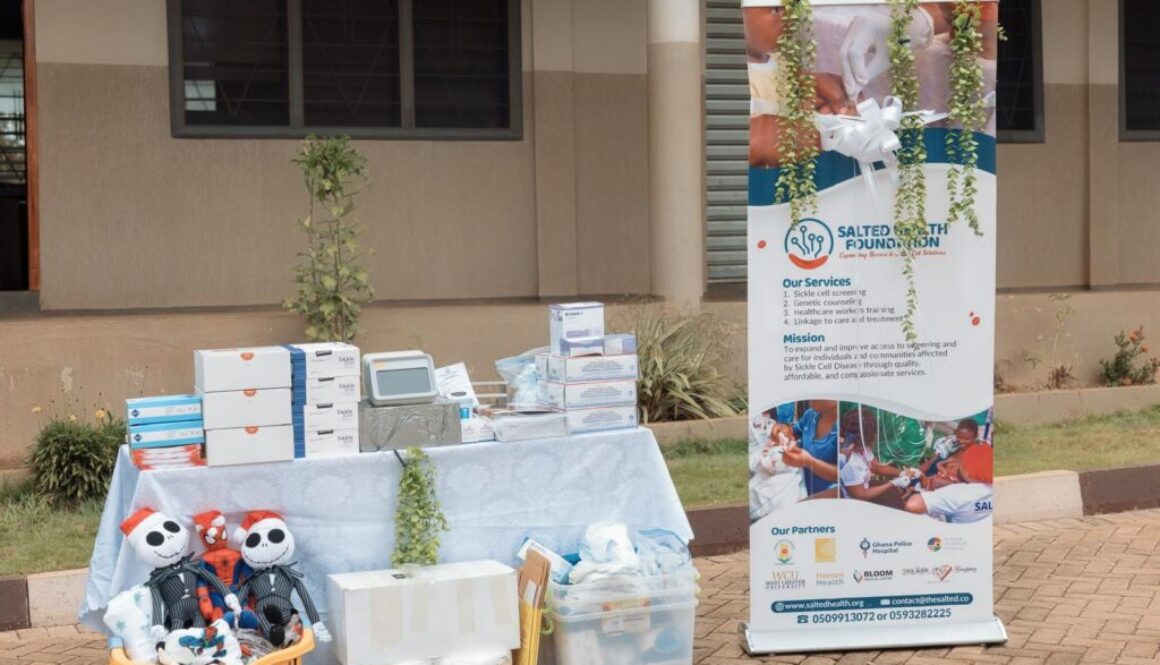
SALTED Health Foundation x Rural Communities Development International Collaborates For Community-Based Sickle Cell Screening For Newborns And School Children
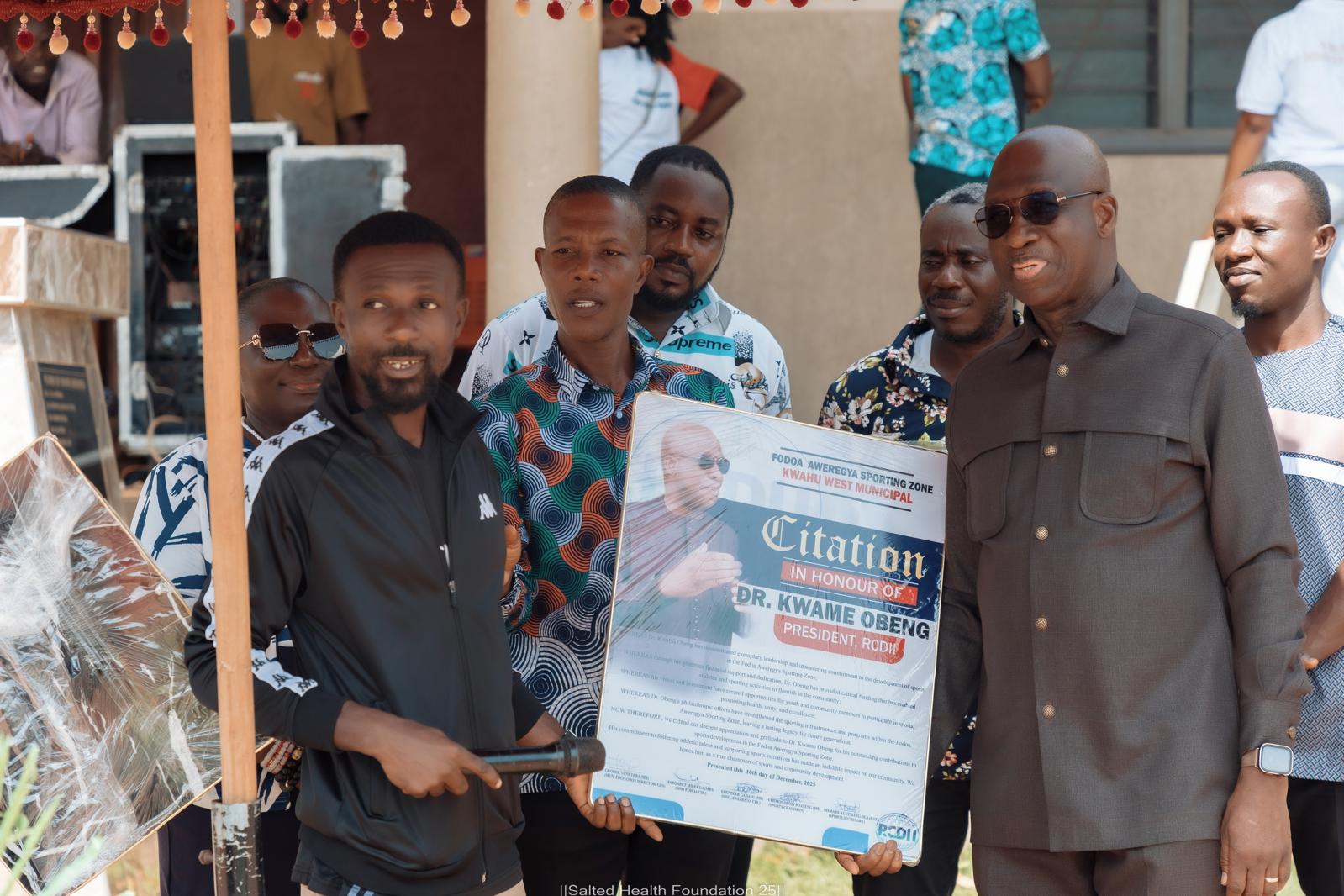
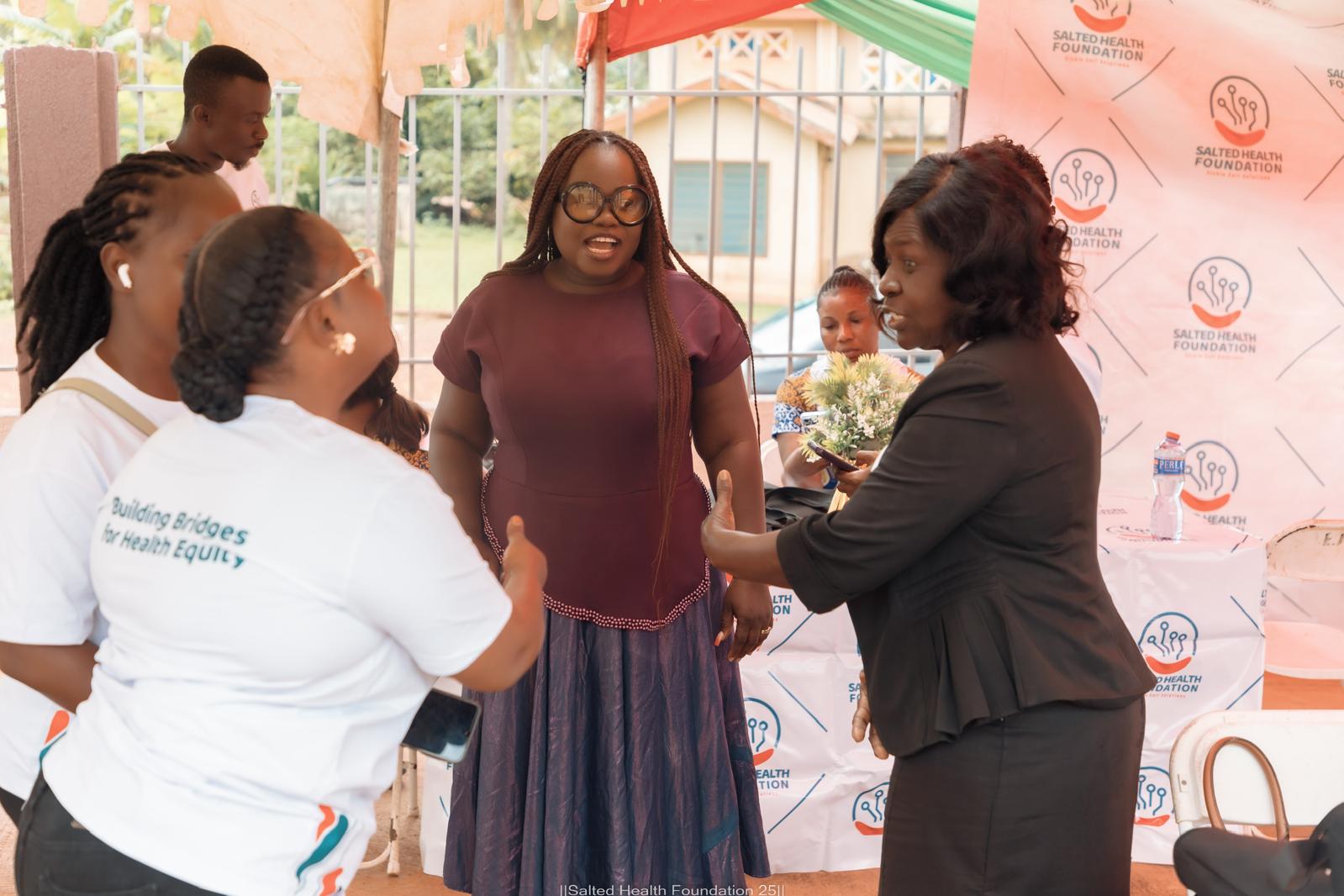
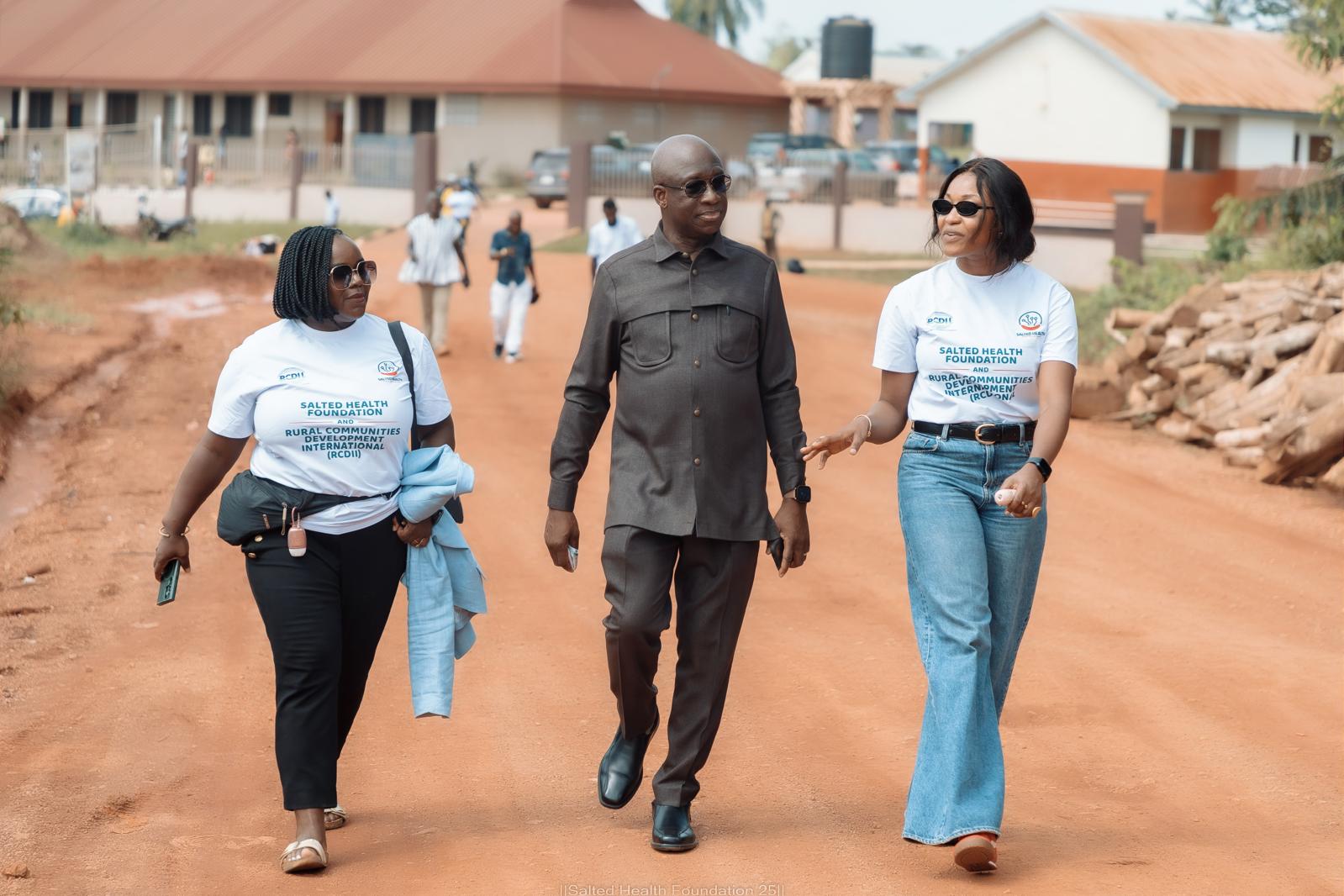
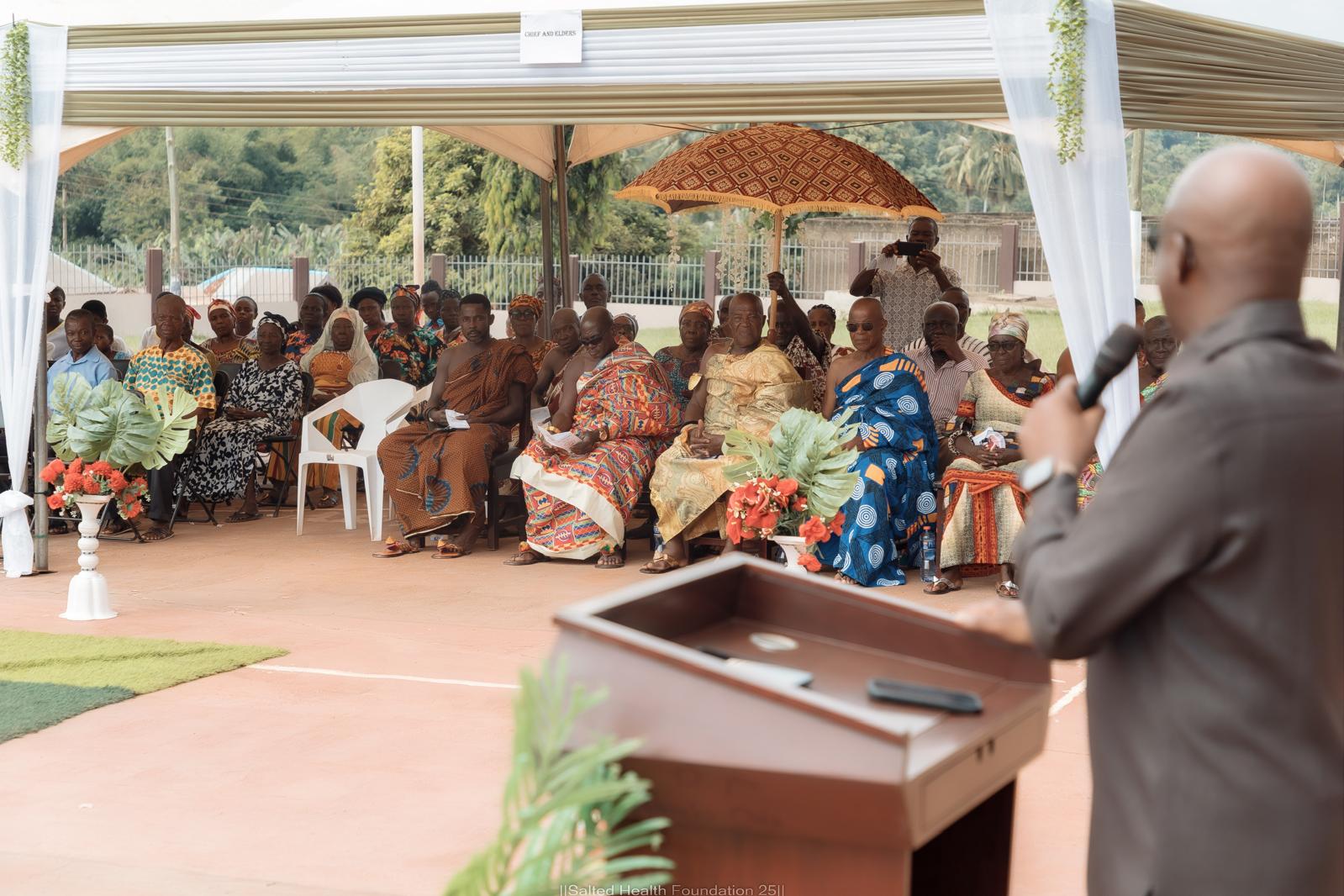
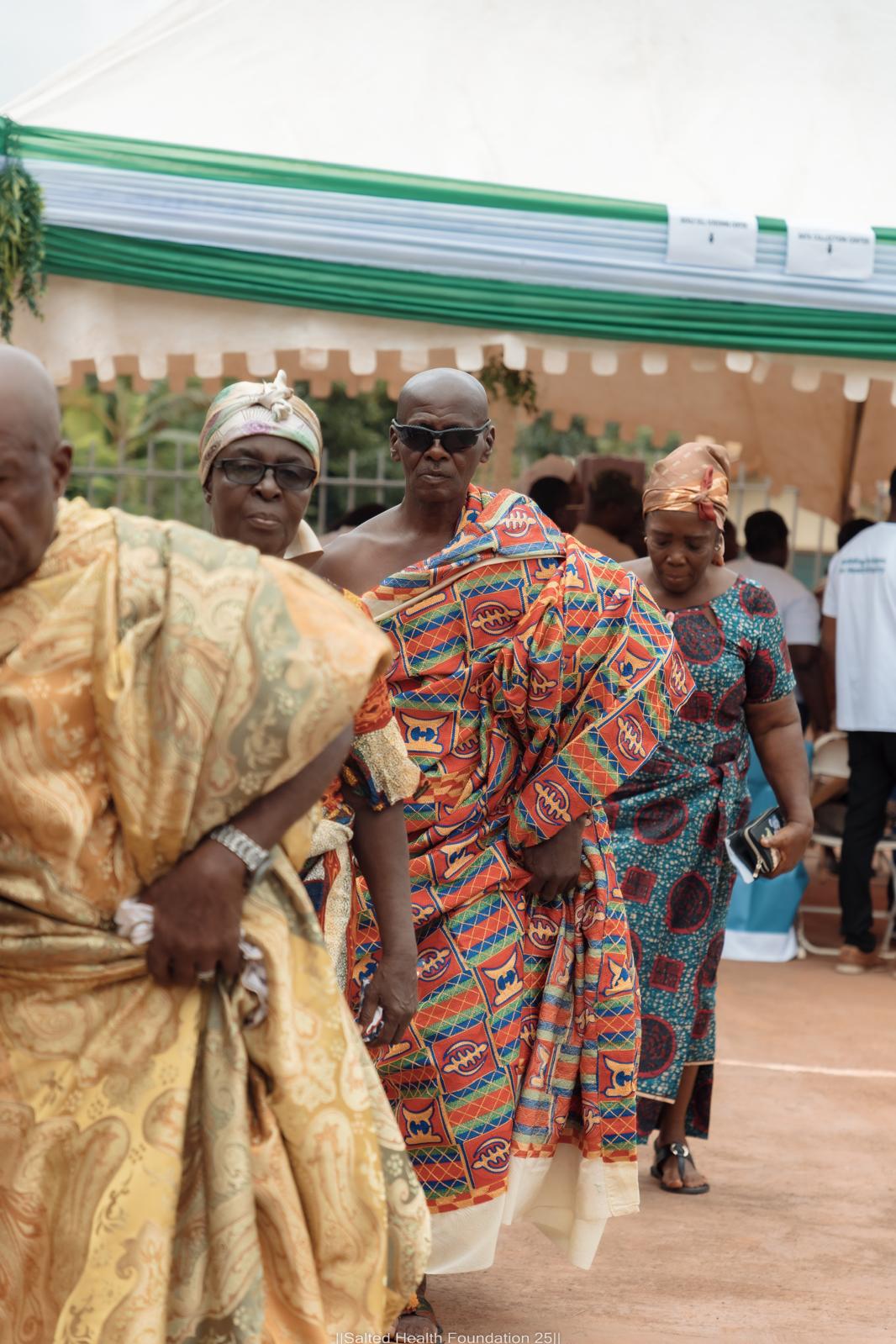
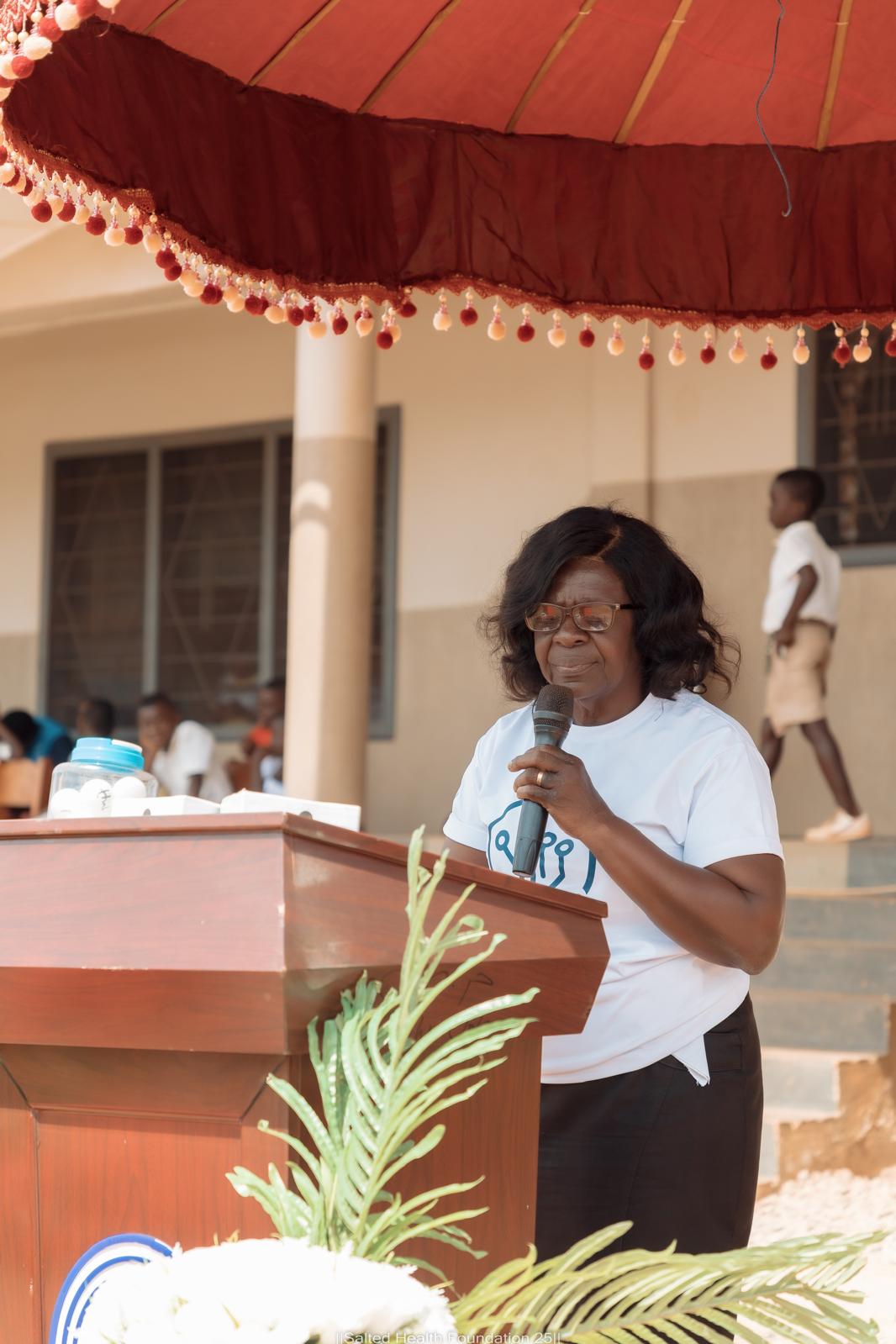
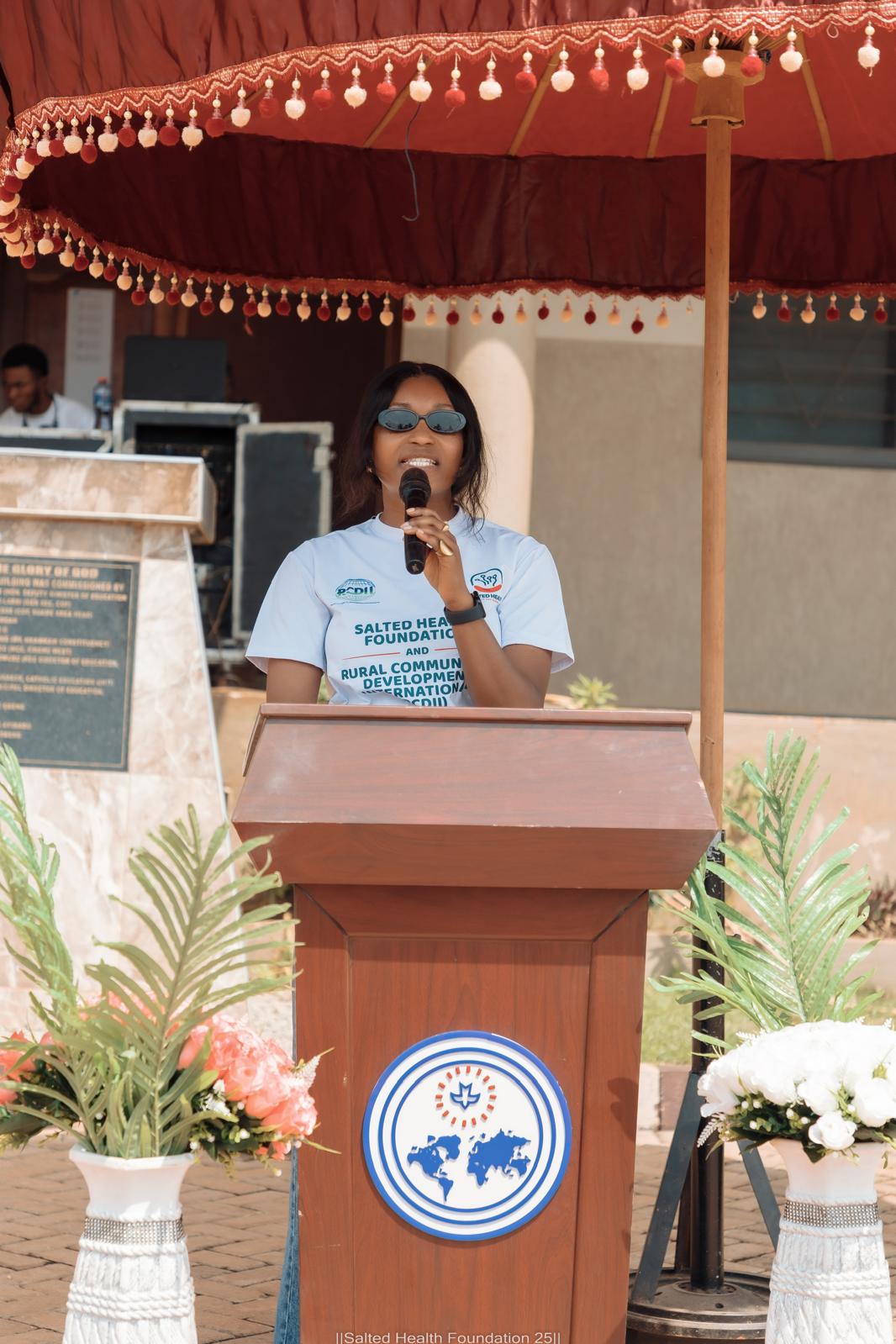
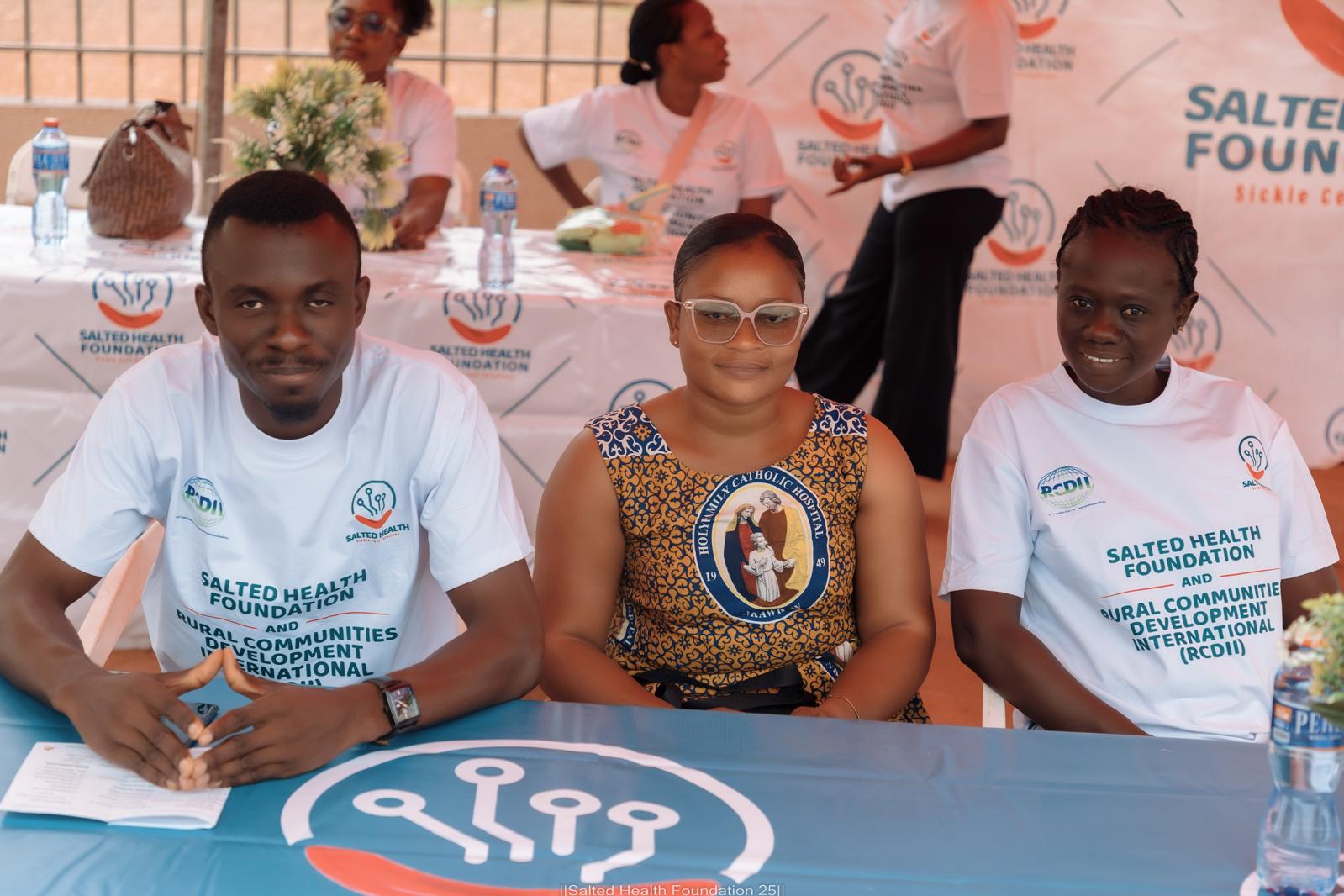
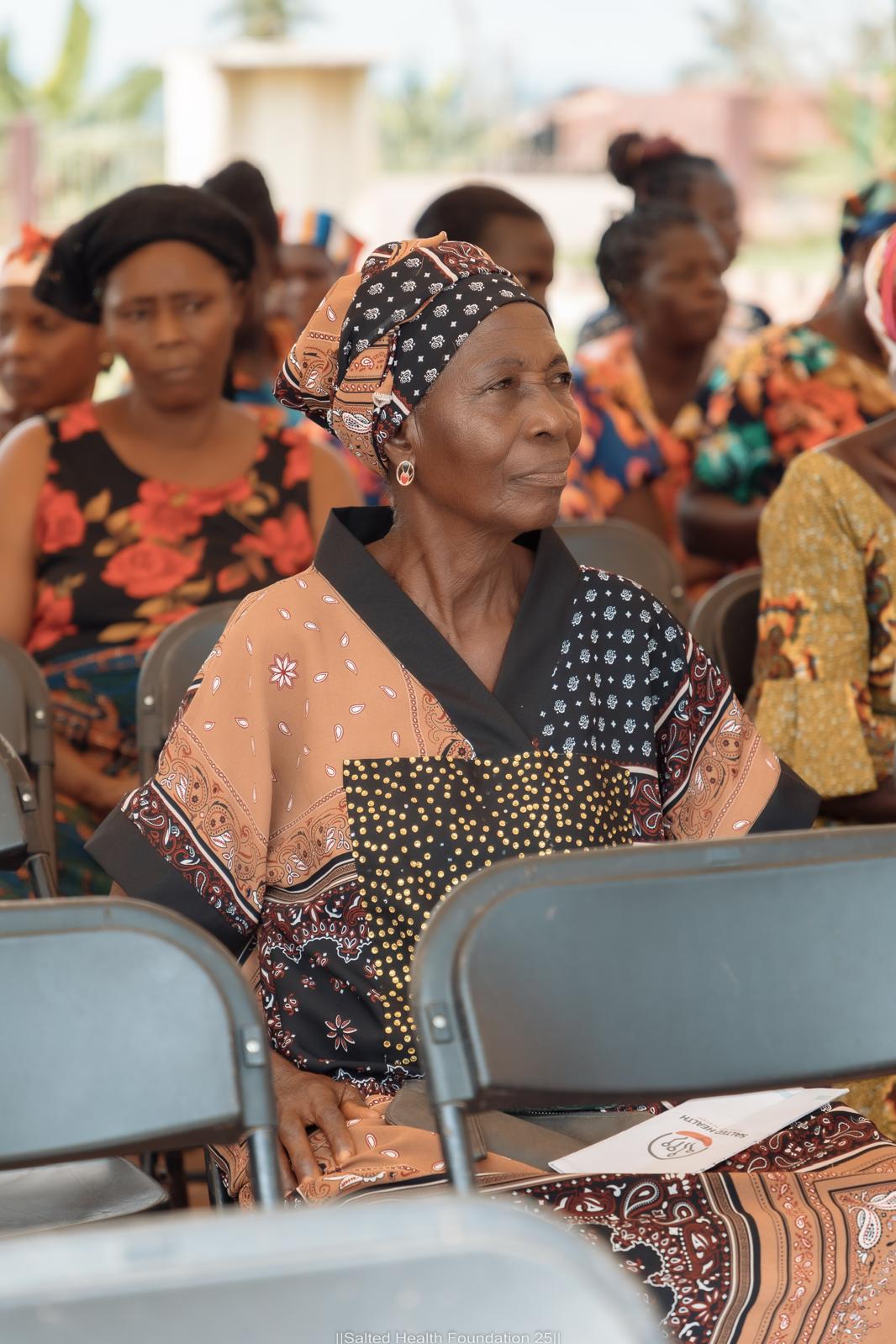
SALTED Health Foundation and Rural Communities Development International (RCDII) joined forces to expand sickle cell screening, counseling, and nurse training across Ghana with the first cohort launch in December 2025 at Kwahu Oda, in the Eastern Region of Ghana, West Africa.
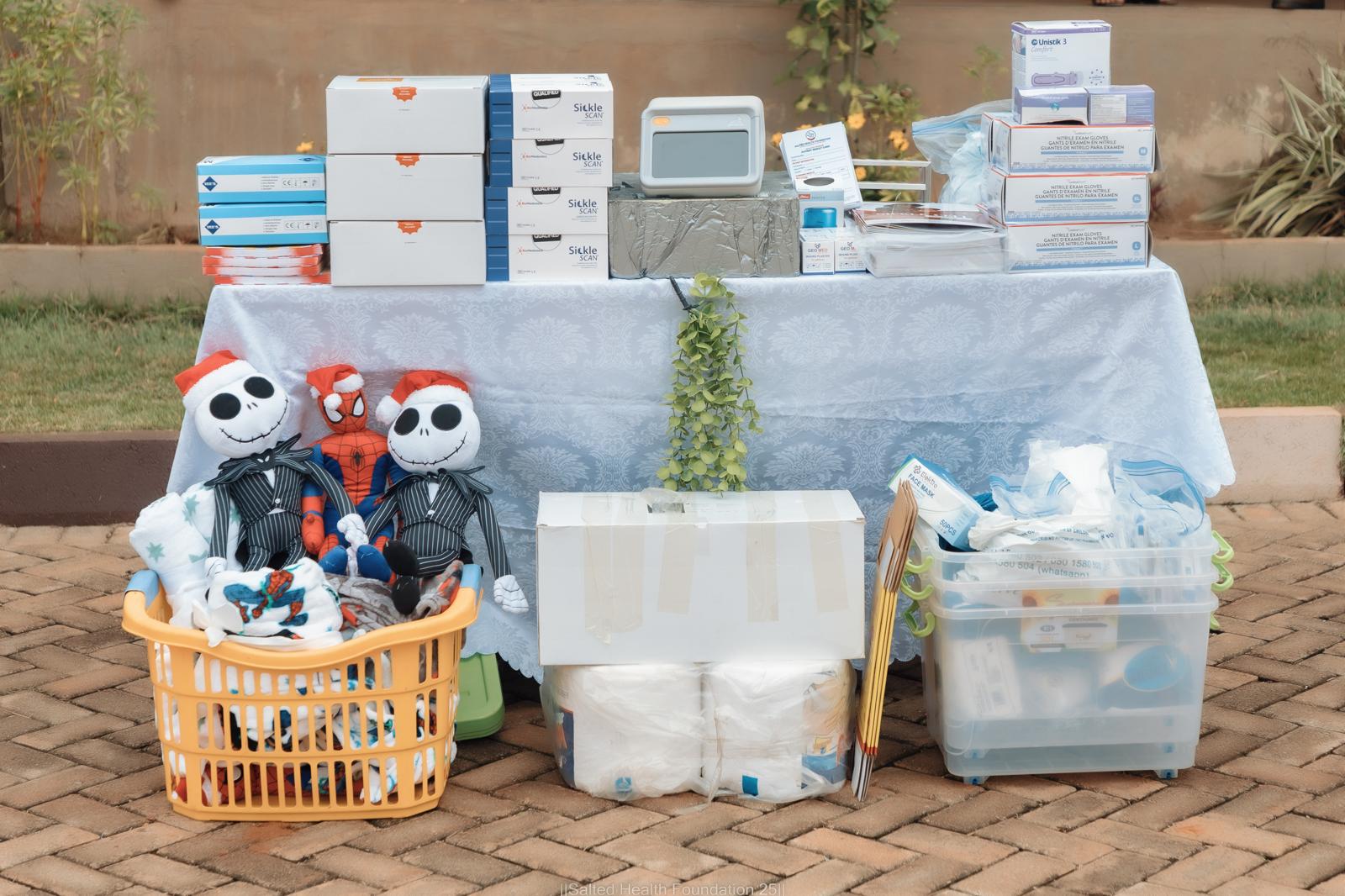
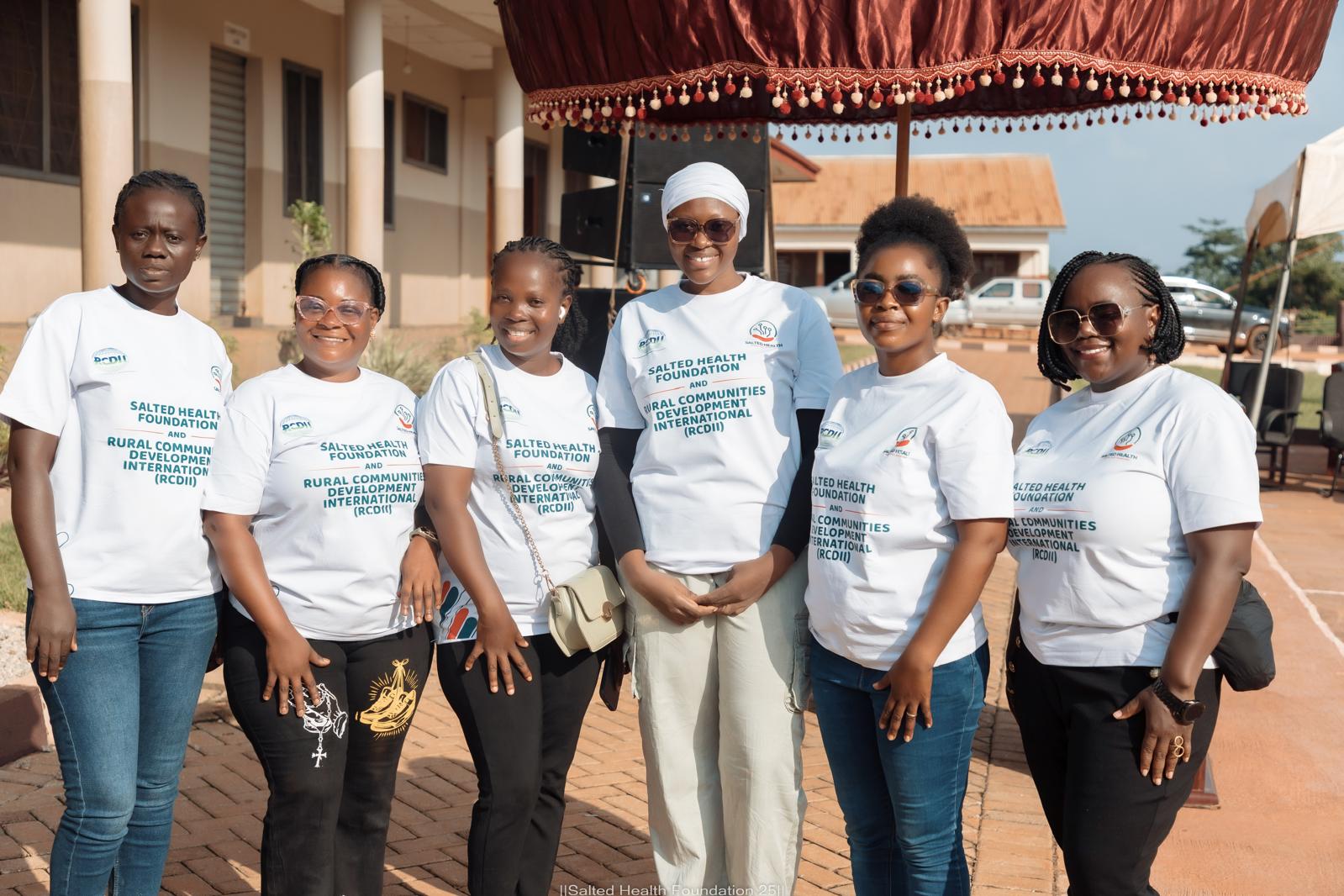
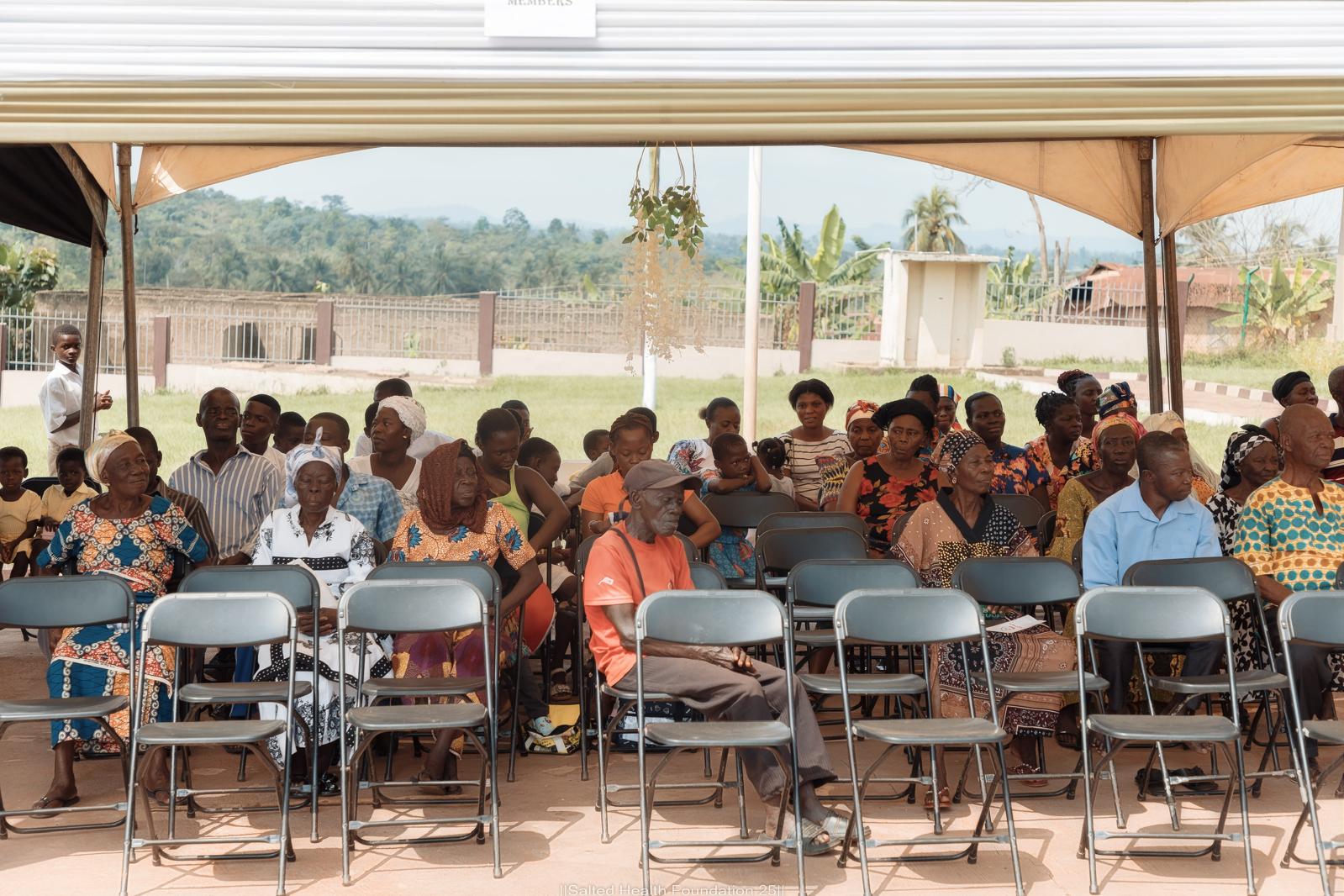
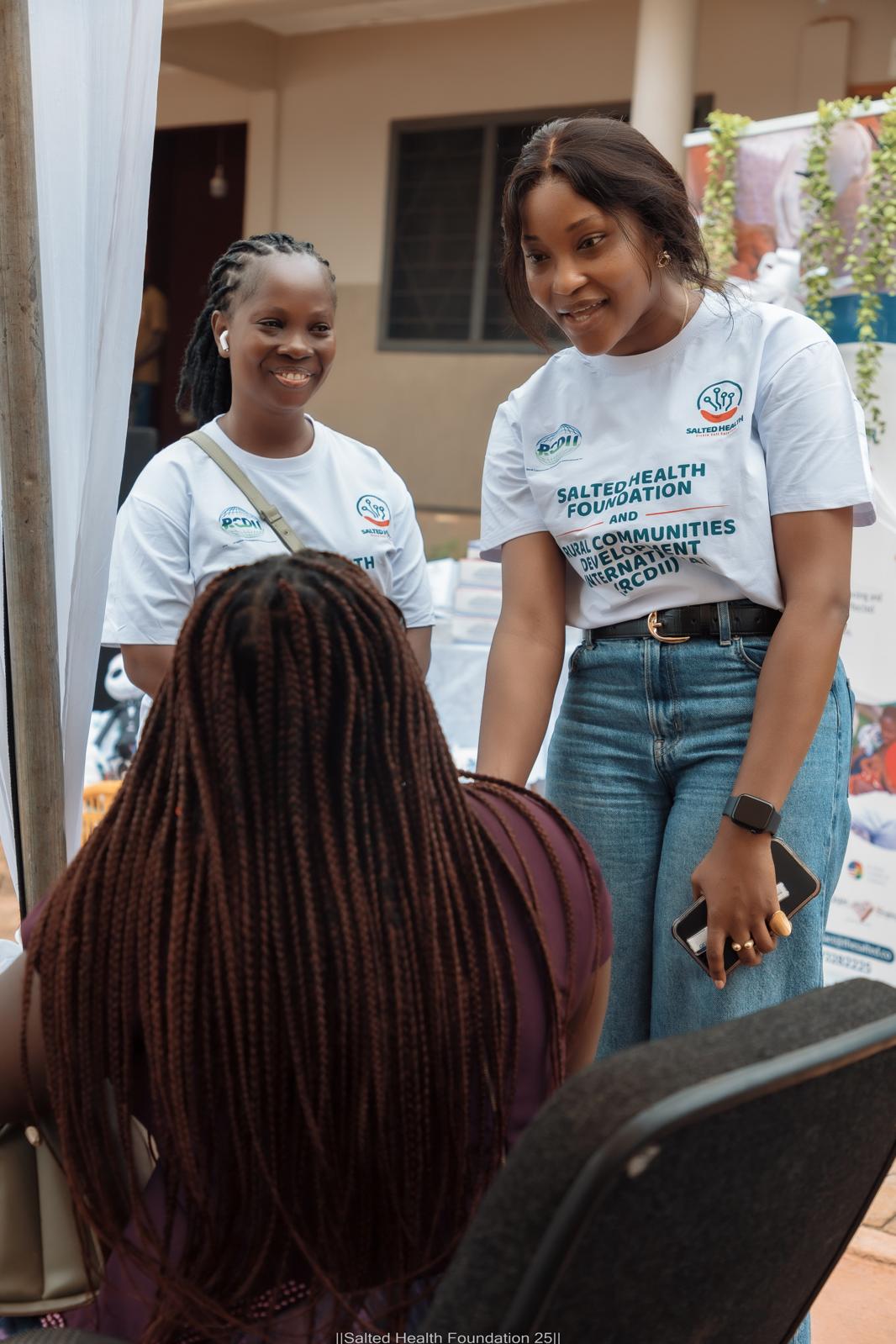
This initiative focuses on newborns and school-age children, two critical groups for early detection and long-term care. By combining local leadership, diaspora partnership, and global collaboration , this initiative strengthens rural health systems and creates a sustainable pathway for early care and equity.
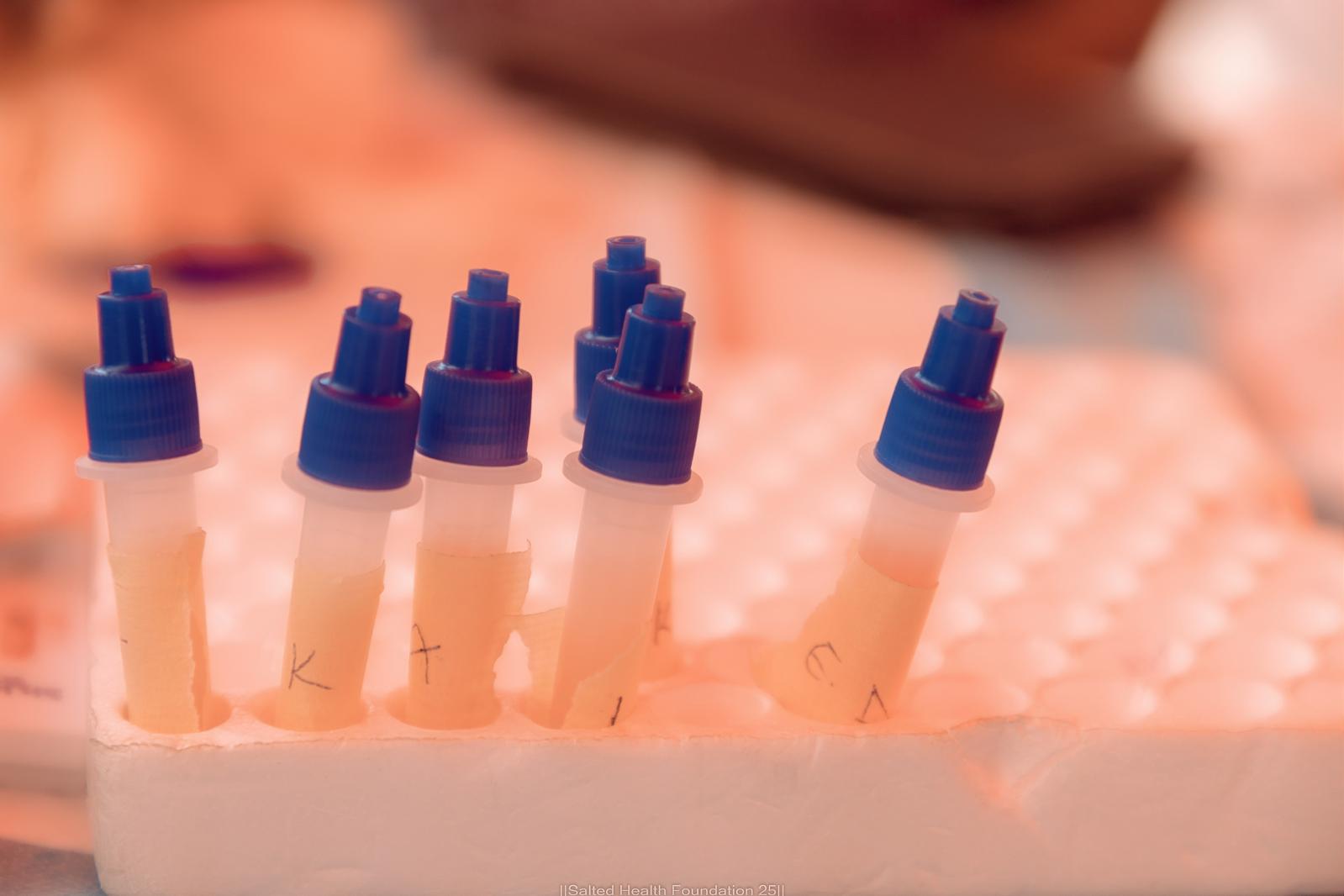
The Crisis
- Each year, 15,000 babies in Ghana are born with sickle cell disease (SCD).
- Without early diagnosis and care, 50–90% die before age five.
- Only ~5.5% of newborns are screened, meaning most are identified only after painful or fatal crises
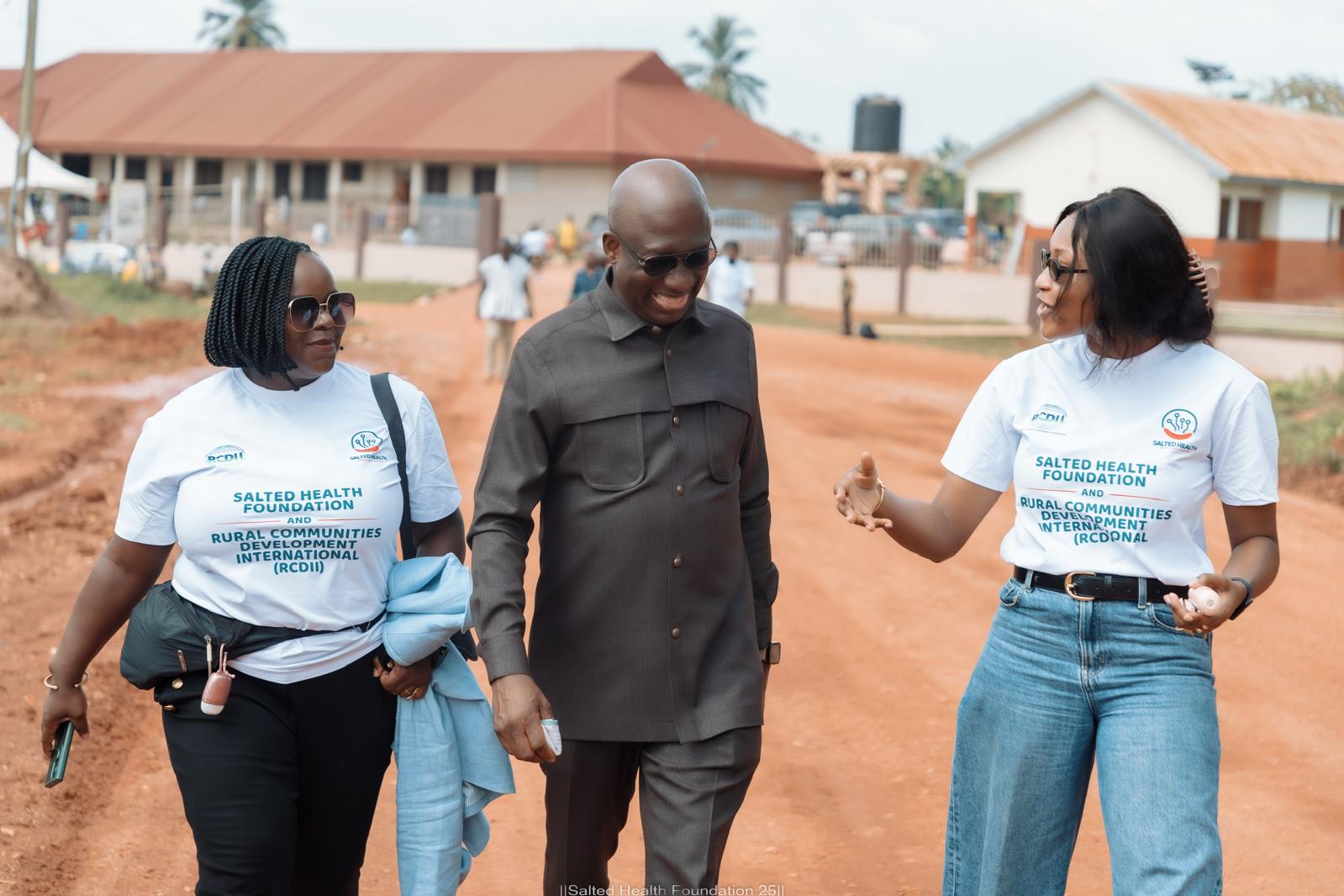
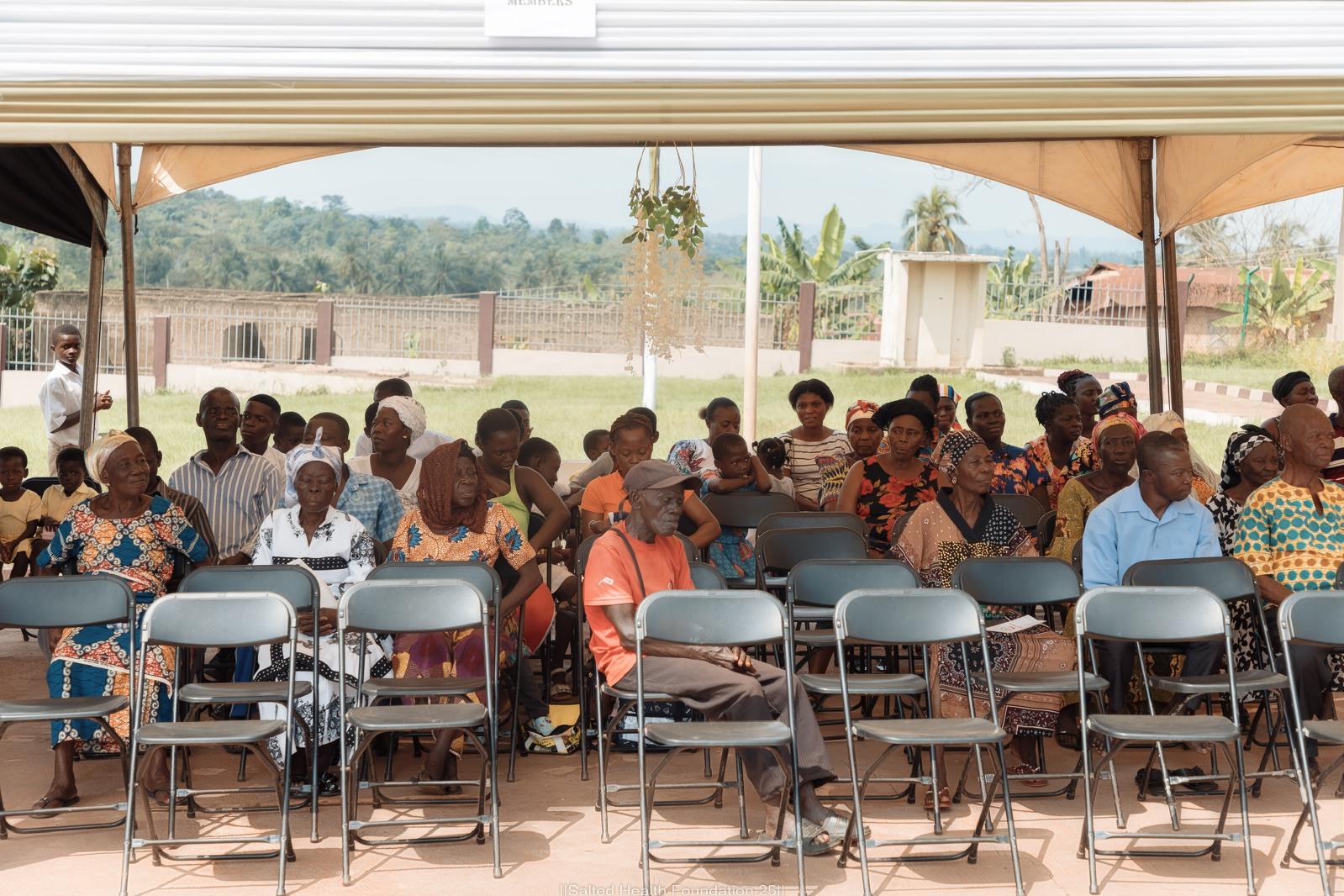
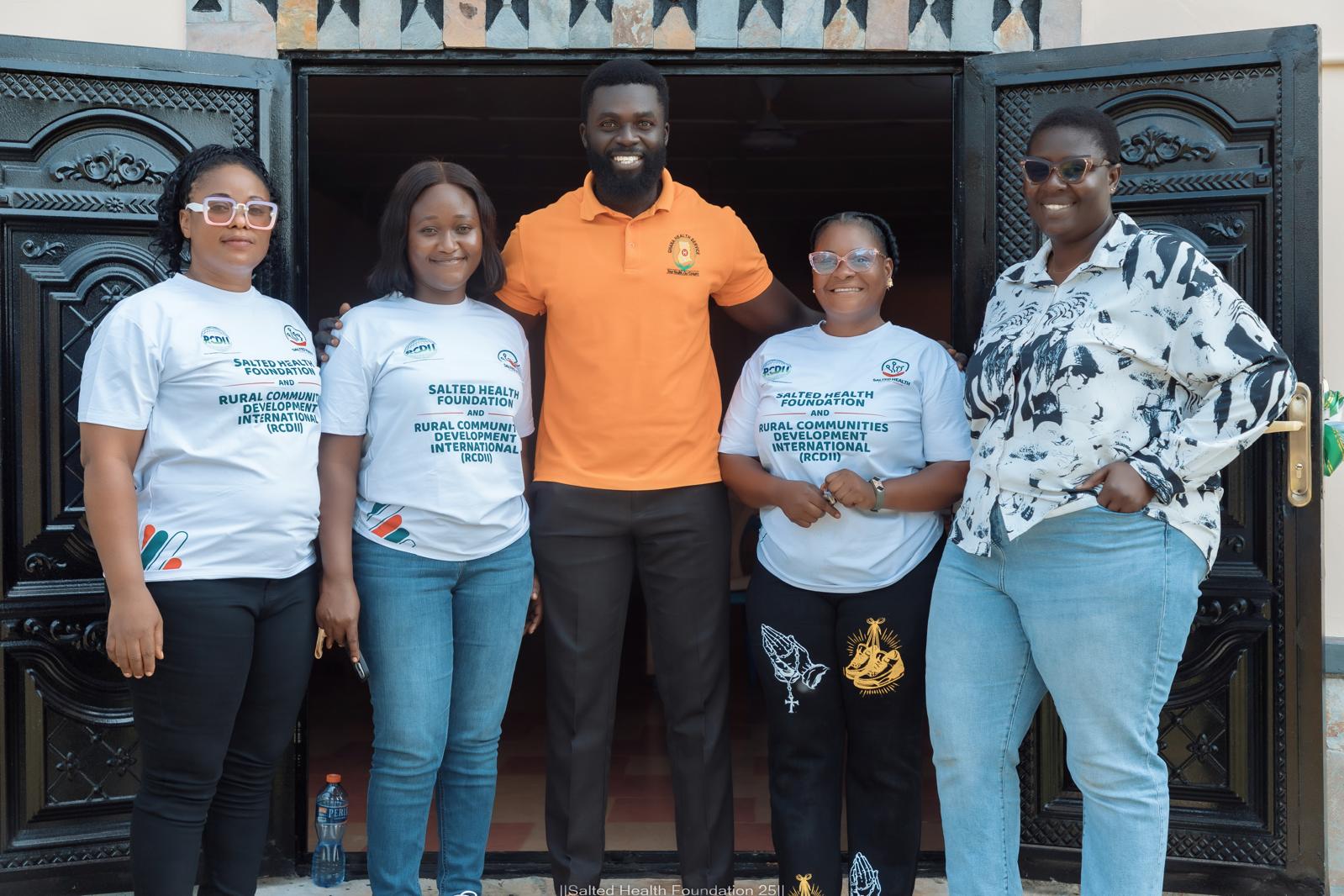
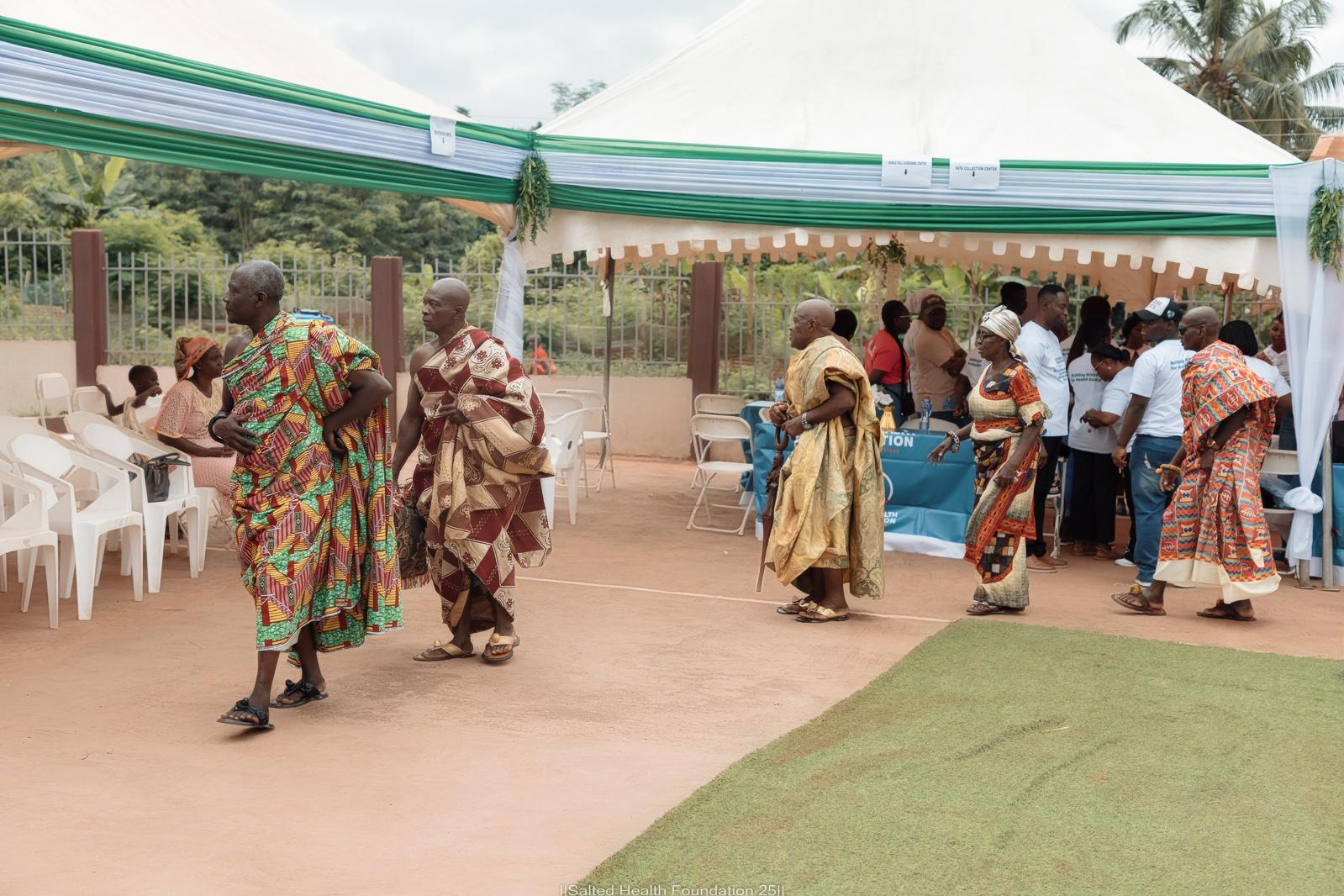
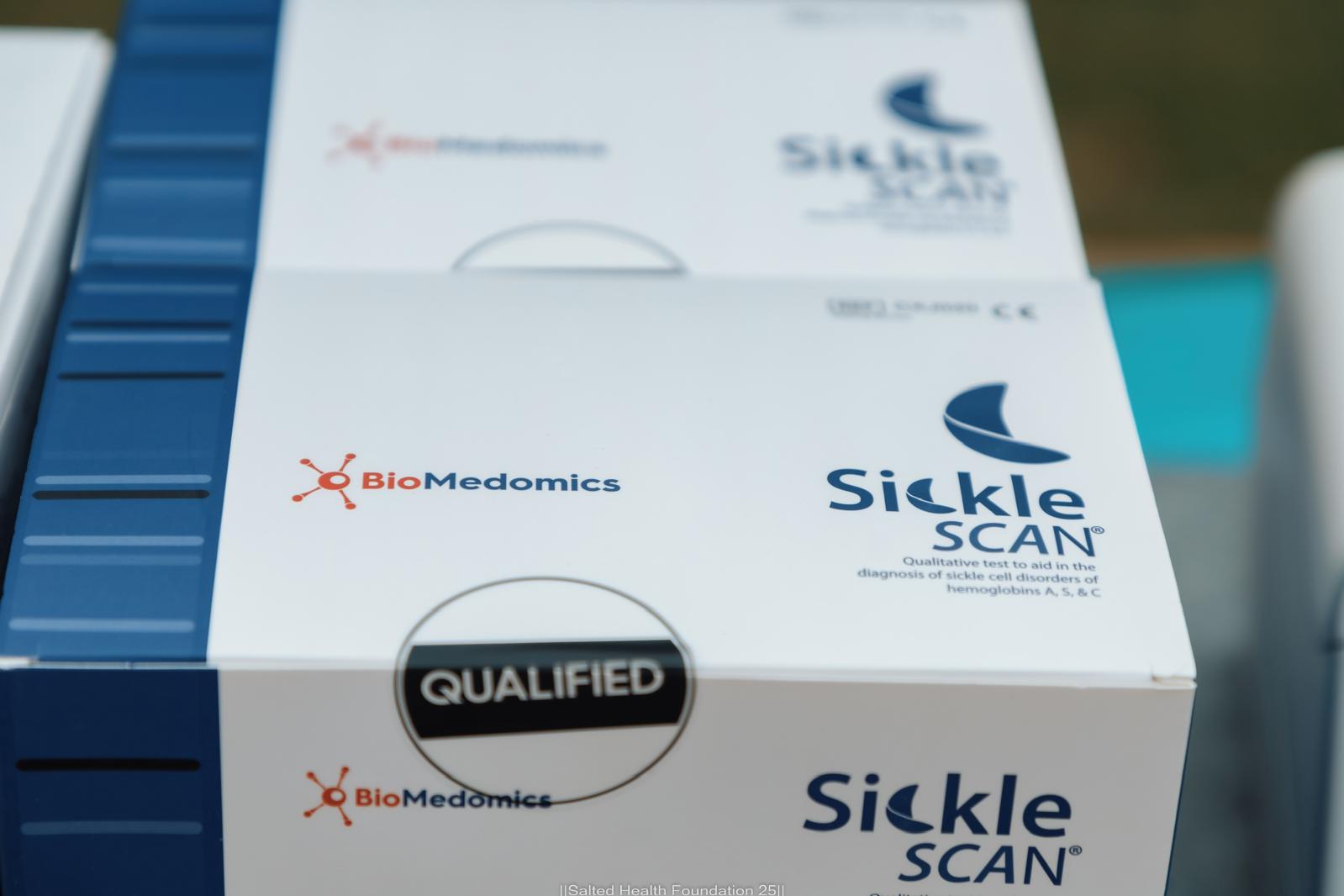
7-Step Care Pathway for this Program1. Educate: Trained nurses educate parents and obtain informed consent before screening.
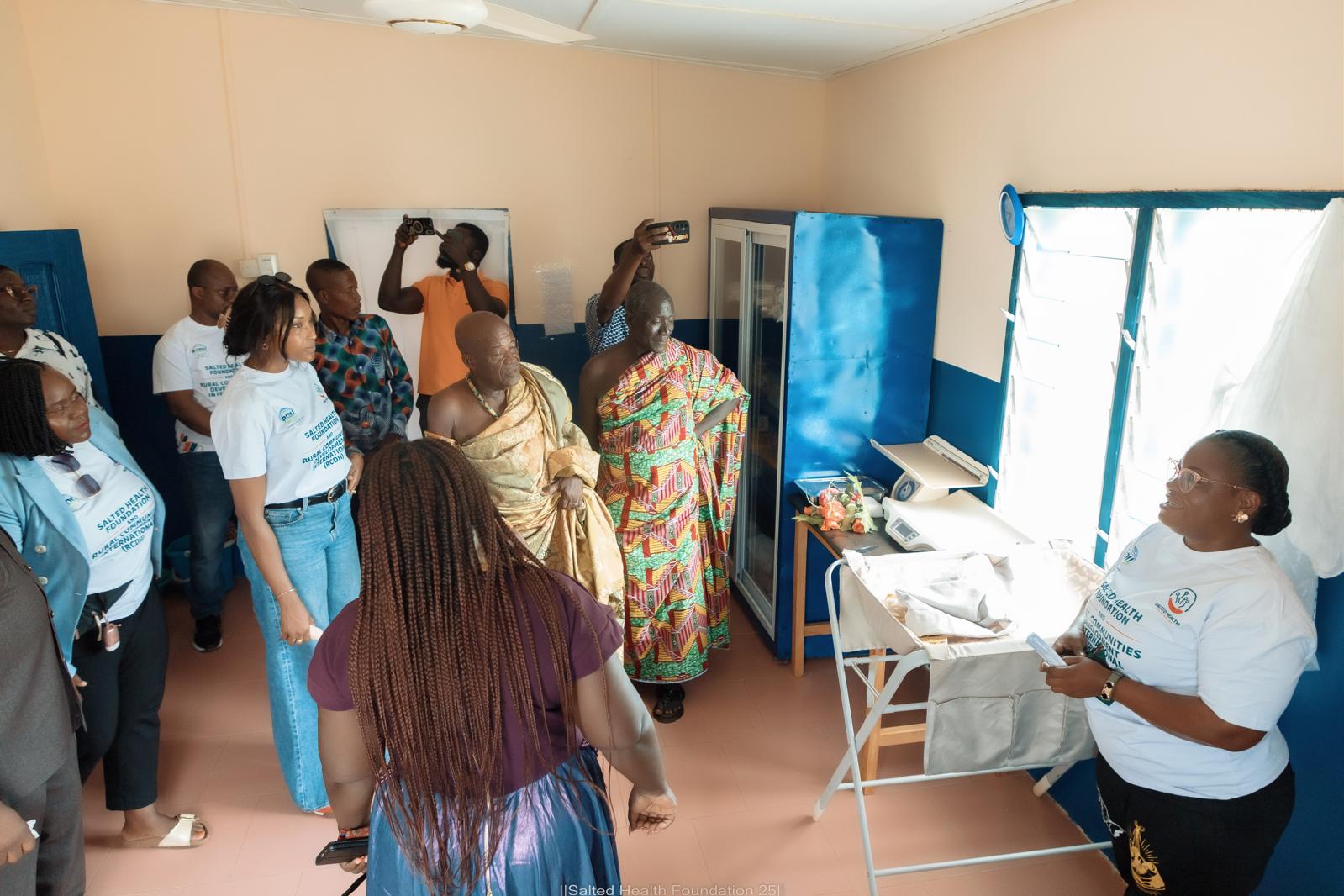
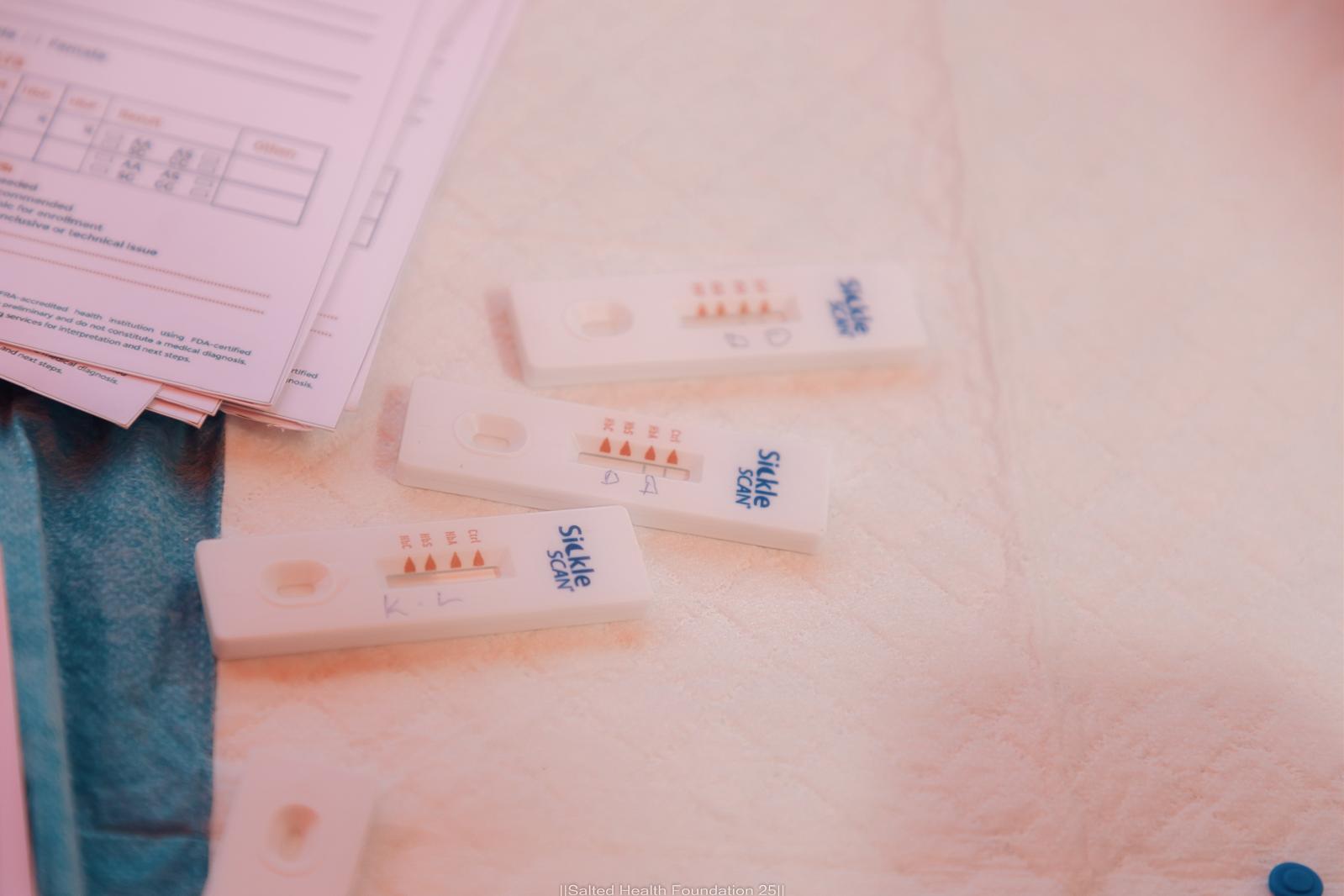
2. Screen: Newborns and children tested at Kwahu Oda Clinic.
3. Diagnose: Positive results confirmed through quality-assured protocols.
4. Enroll: SALTED Health nurses register families into treatment programs.
5. Refer: Children linked to Koforidua Regional Hospital for specialized care.
6. Follow-Up: Local nurses ensure retention in care and monitor progress.
7. Support: Continuous caregiver counseling and education
A Vision Rooted in Diaspora Partnership
Inspired by Monique Phillips, whose decade-long career in pharmaceutical leadership at Bristol Myers Squibb (BMS), alongside RCDII leadership, the SALTED Health team, colleagues from Bristol Myers Squibb (BMS), and other global partners, this initiative bridges public health, philanthropy, diaspora partnership, and corporate collaboration.

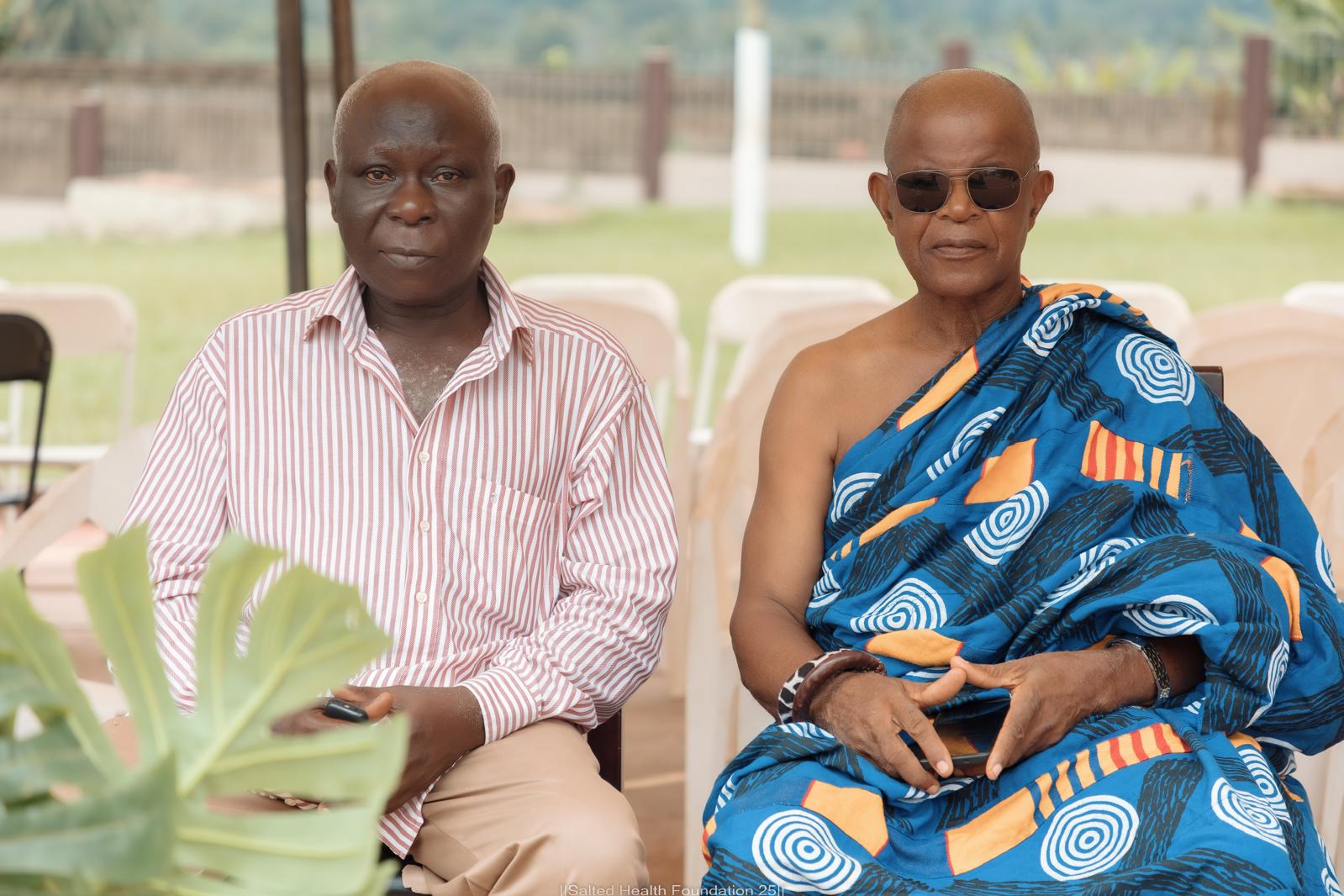
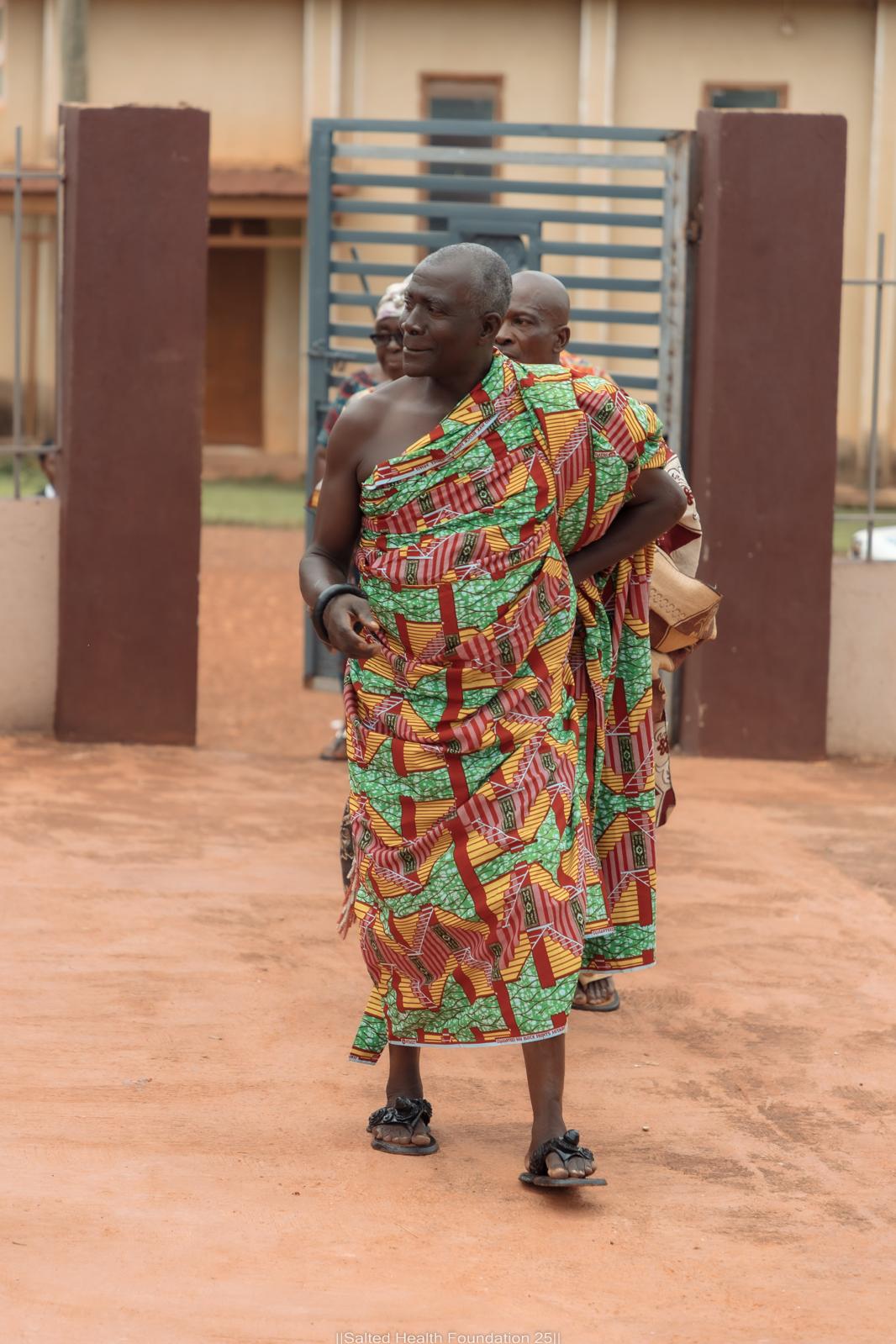
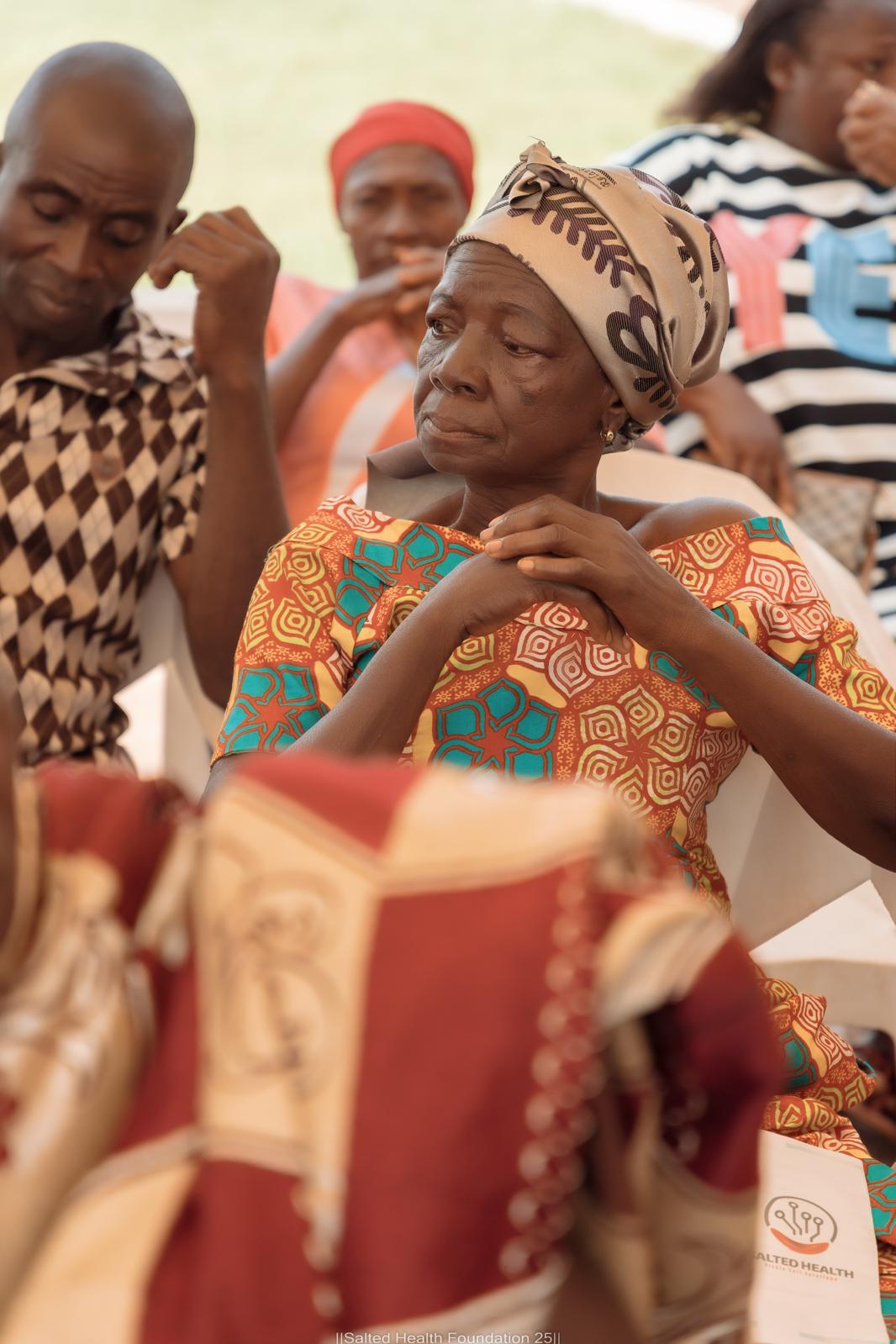
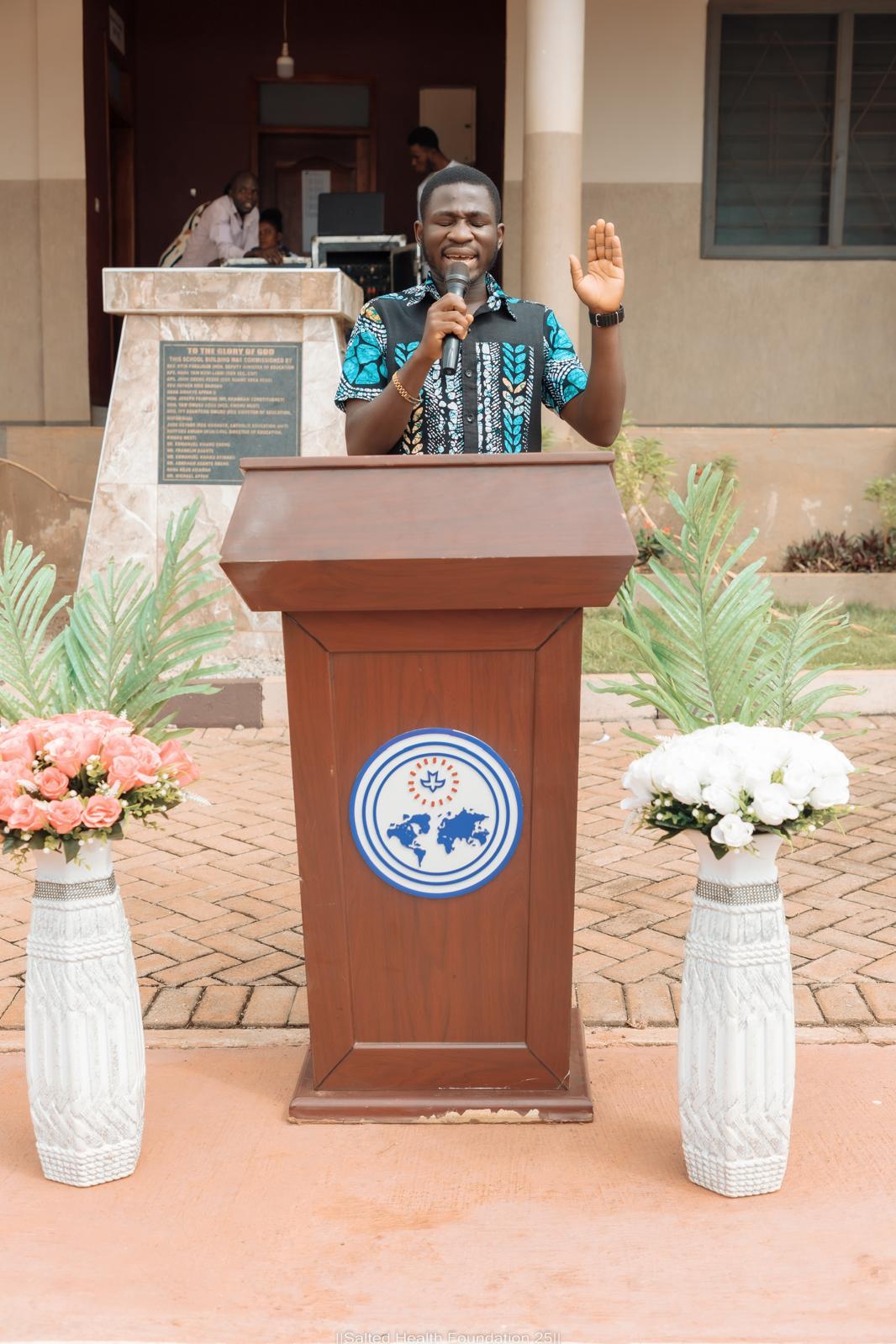
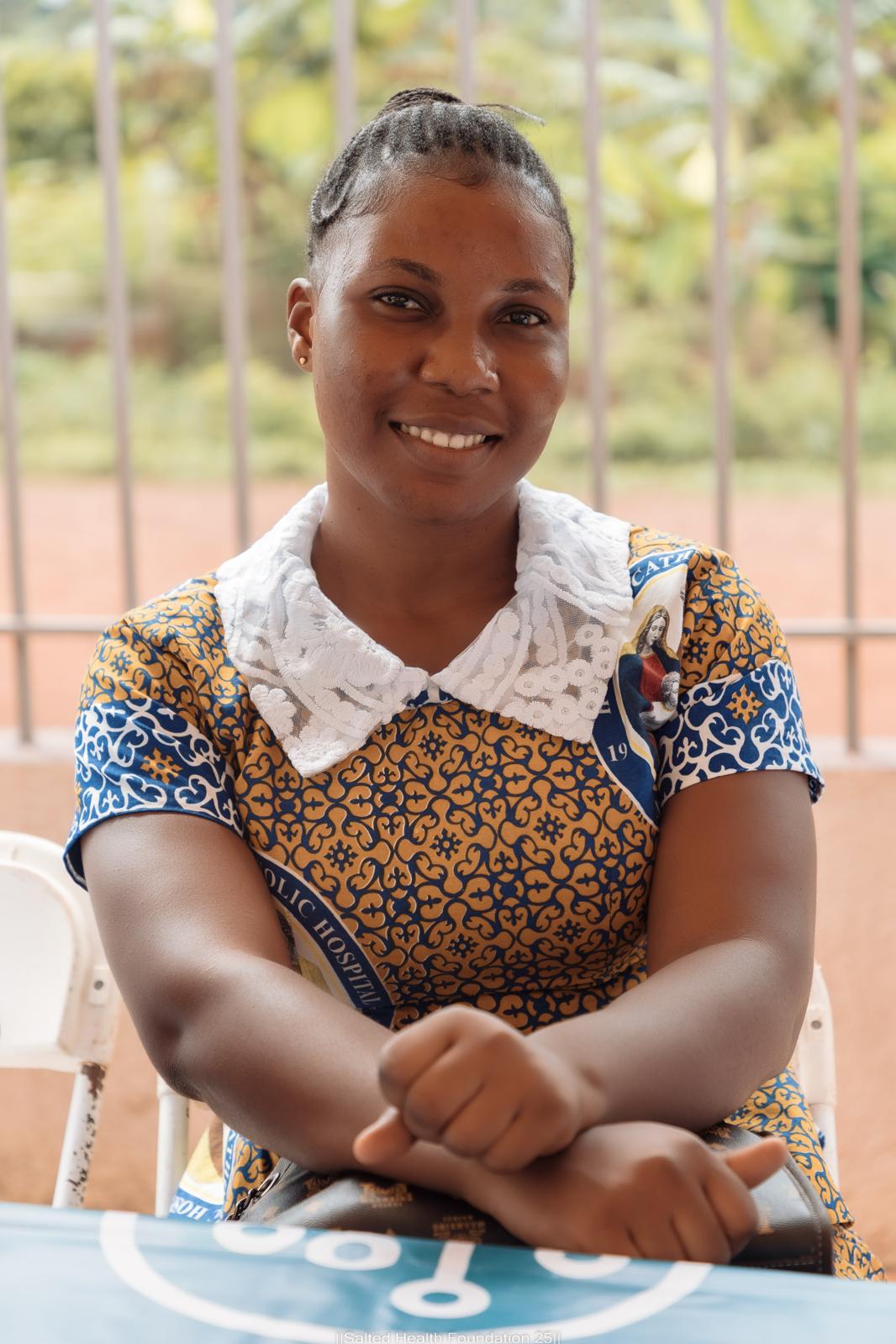

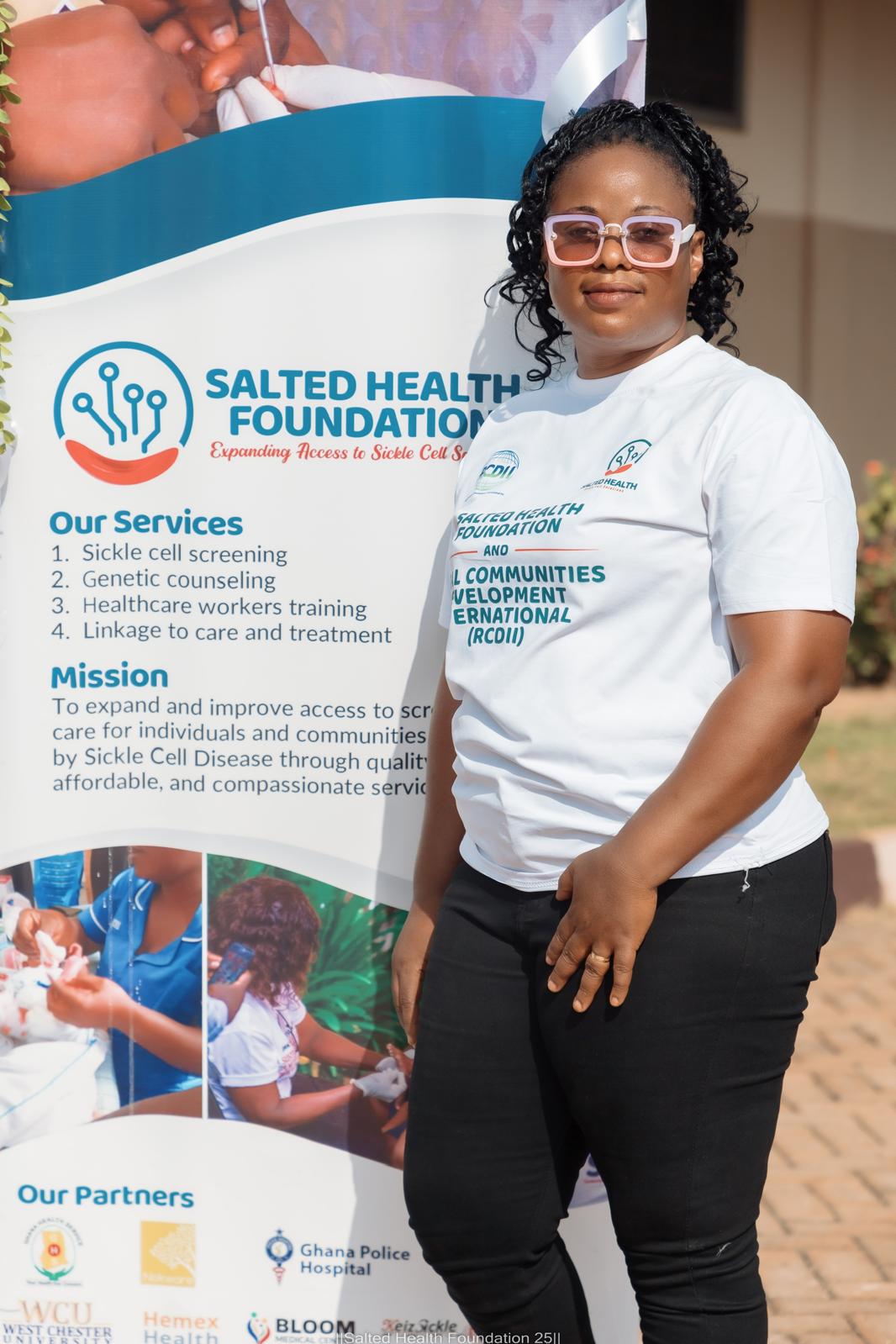
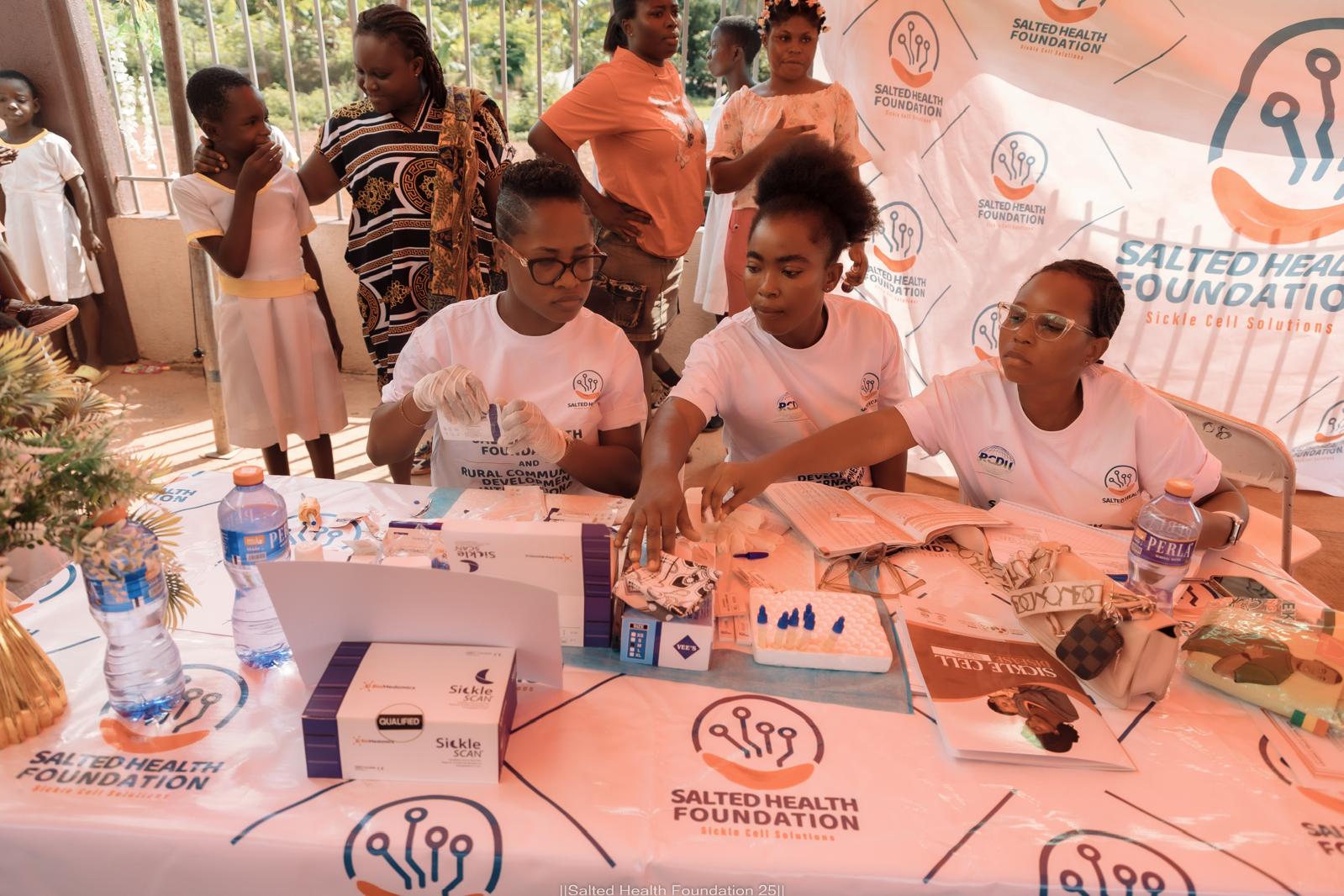
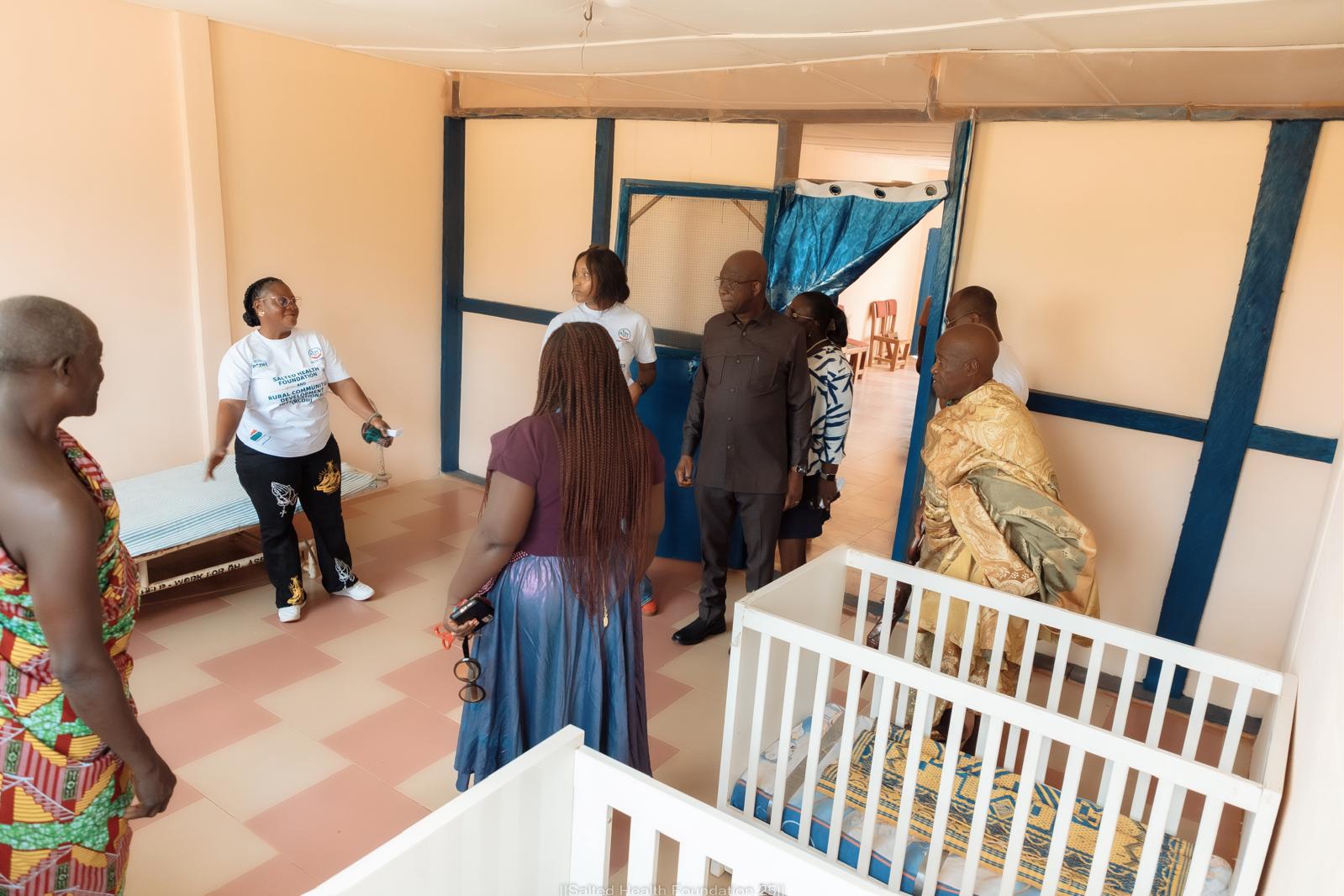
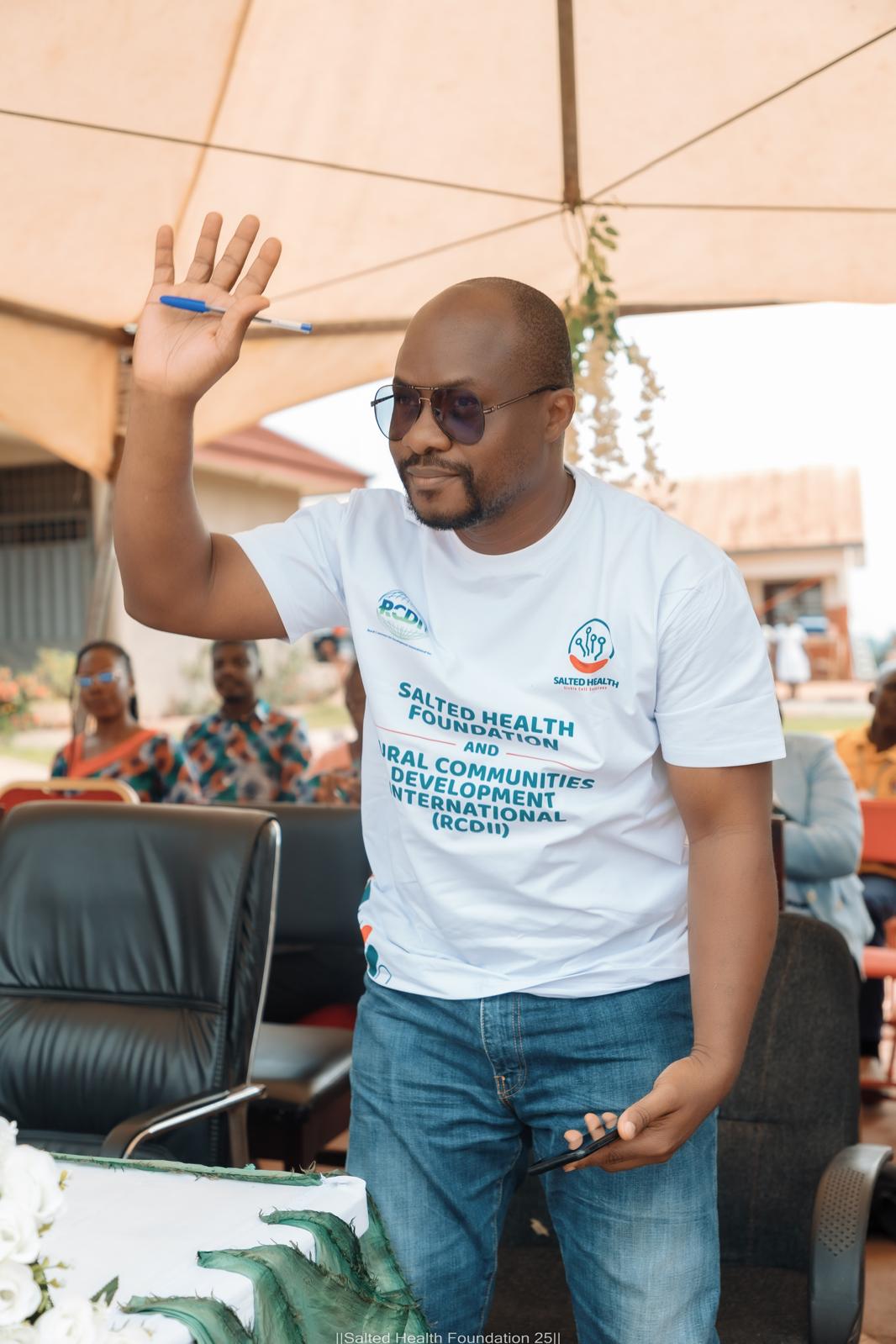
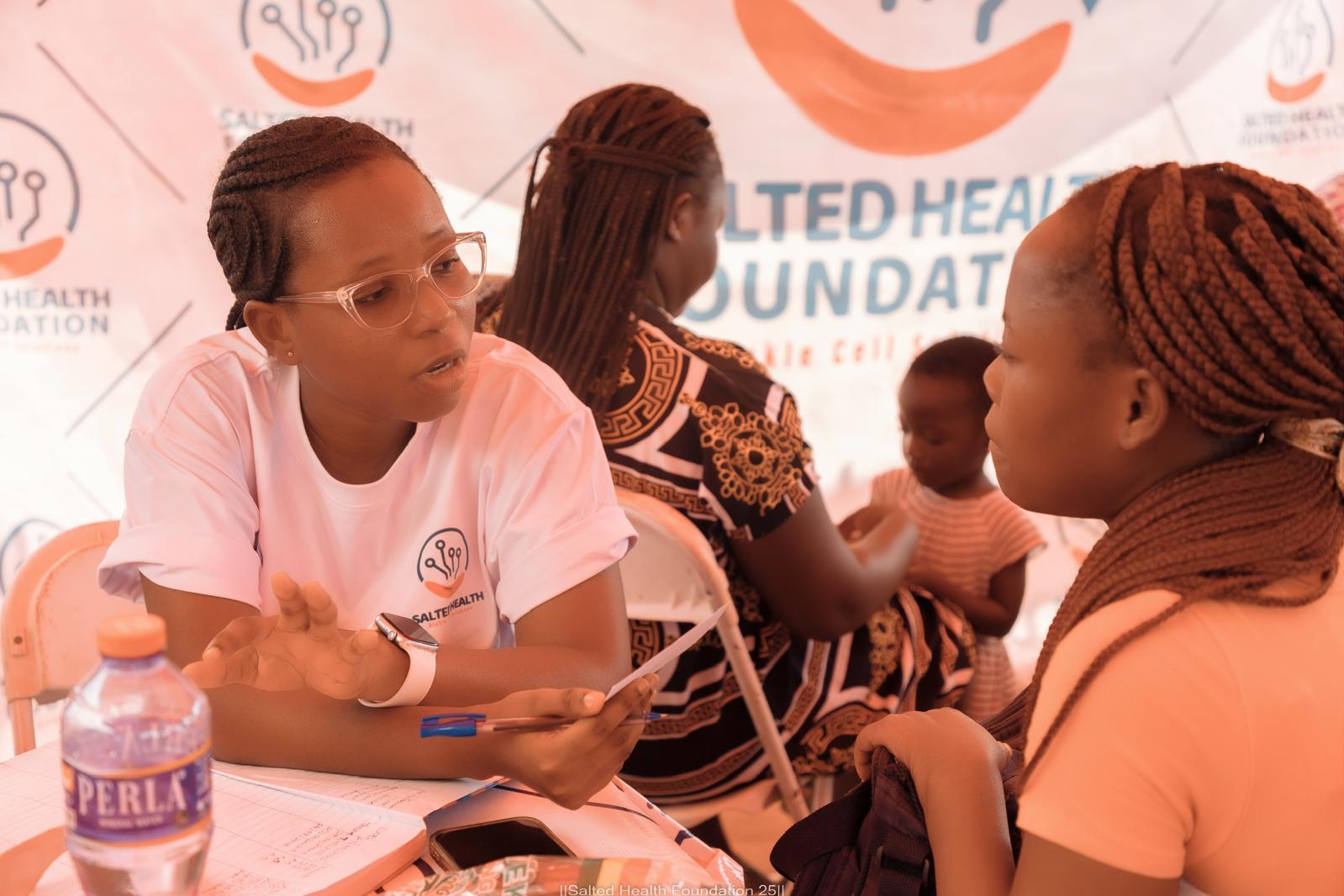
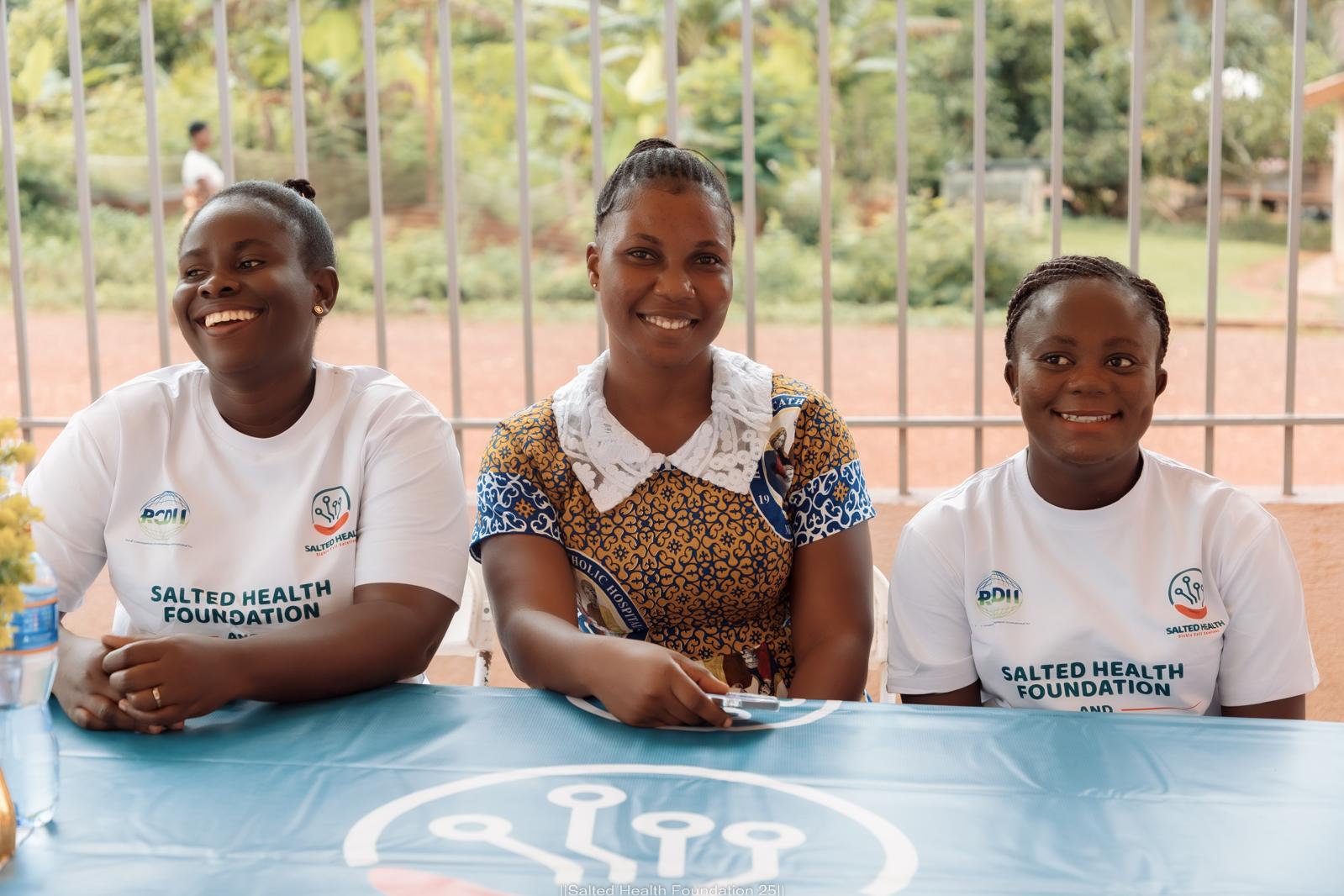
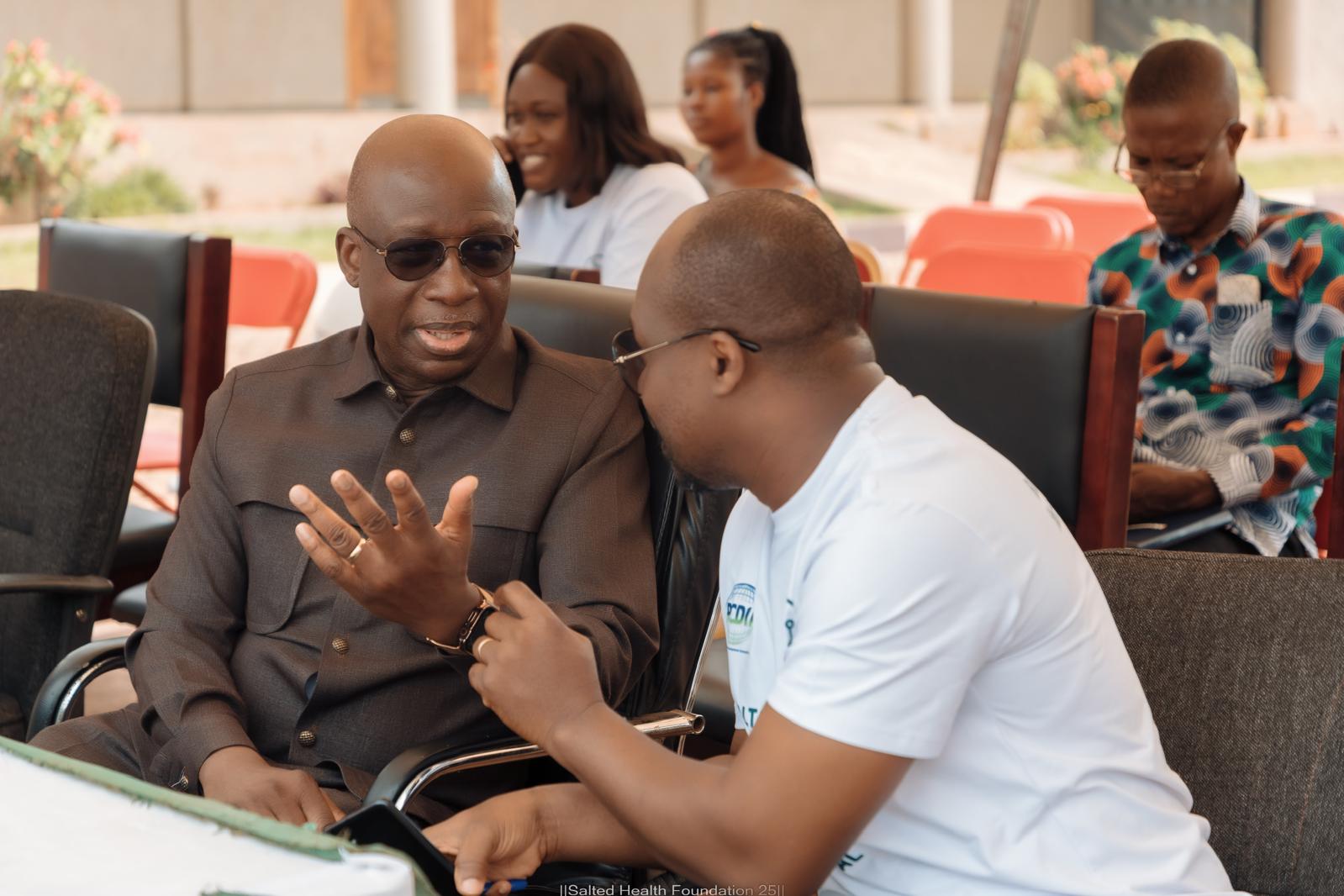
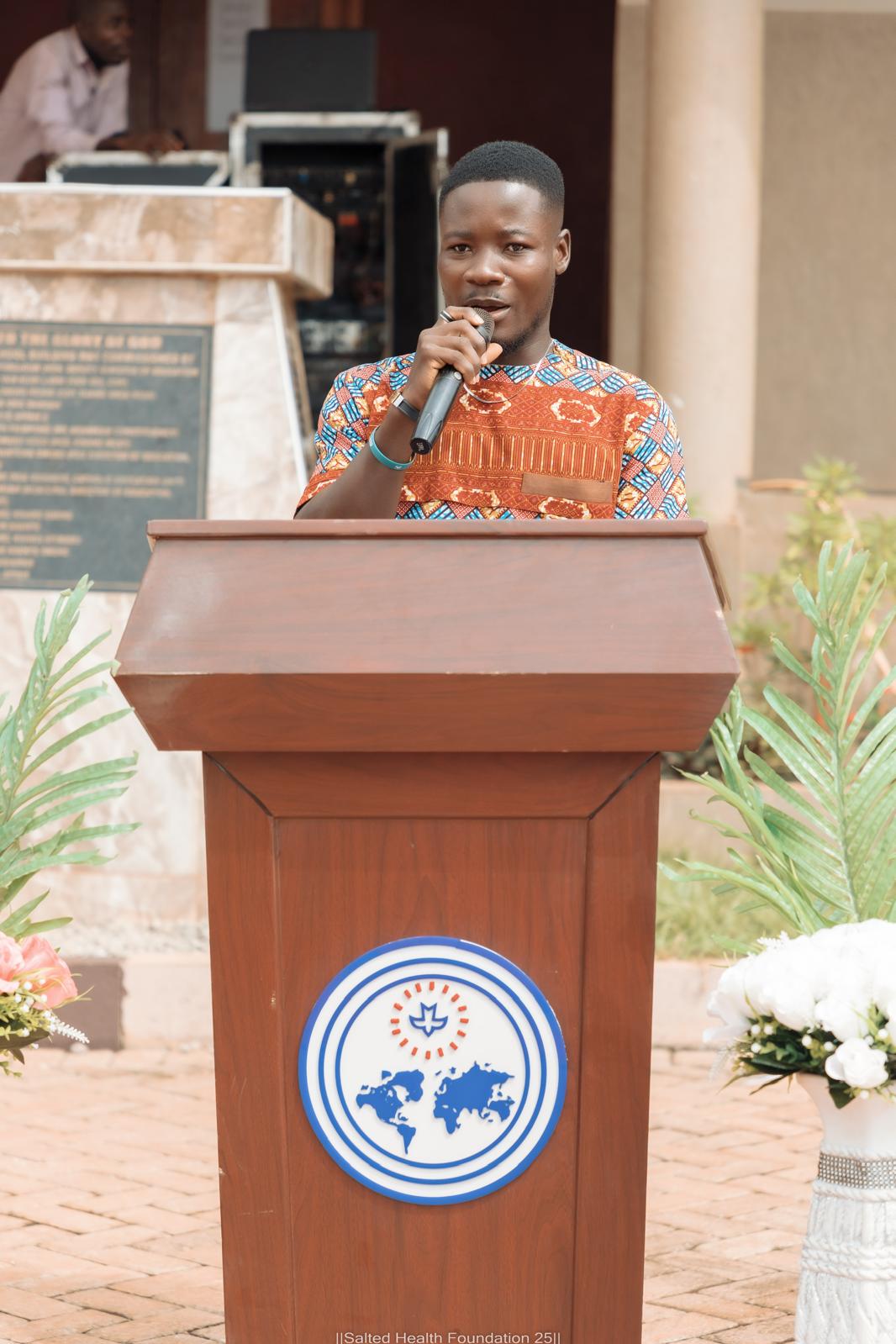

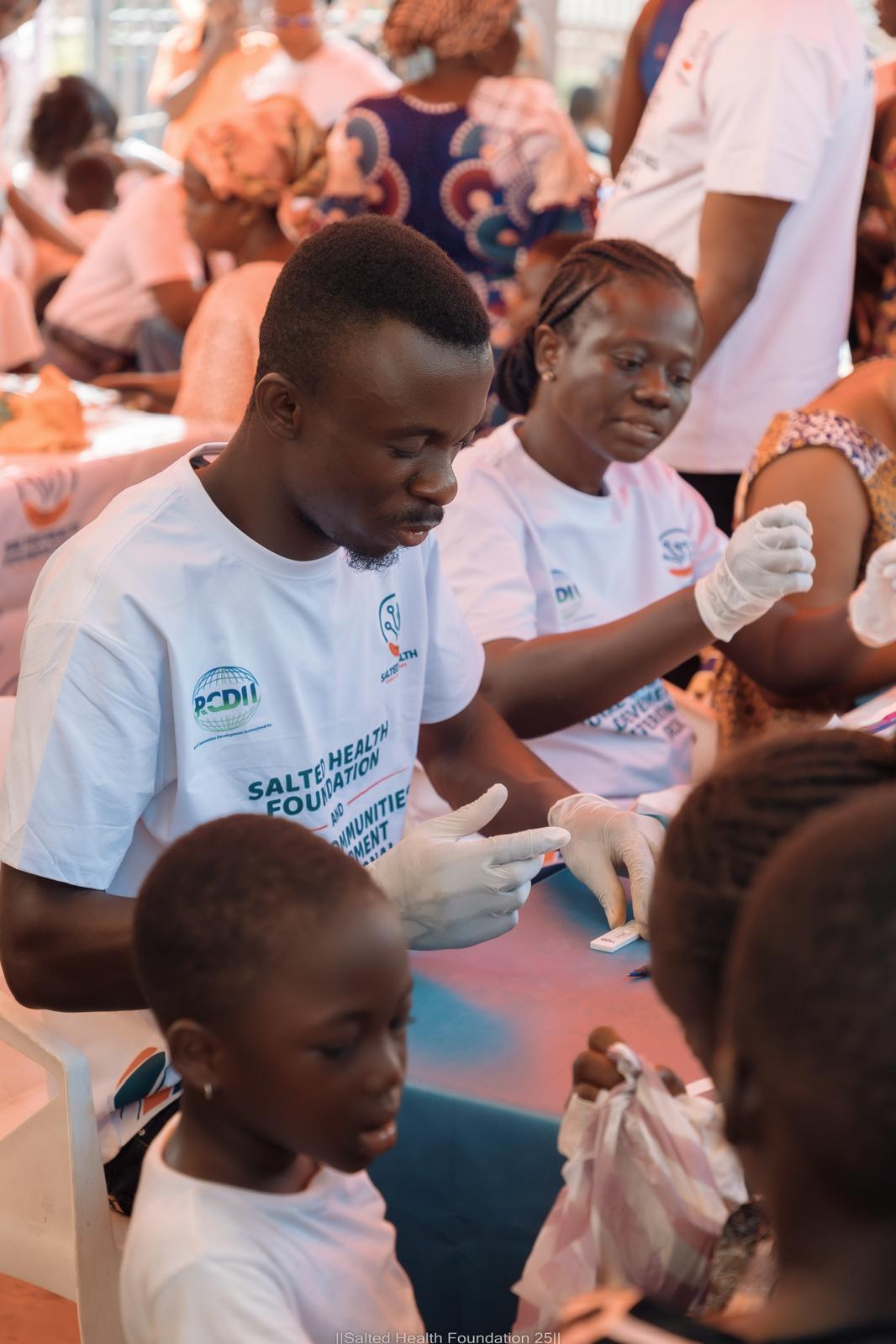
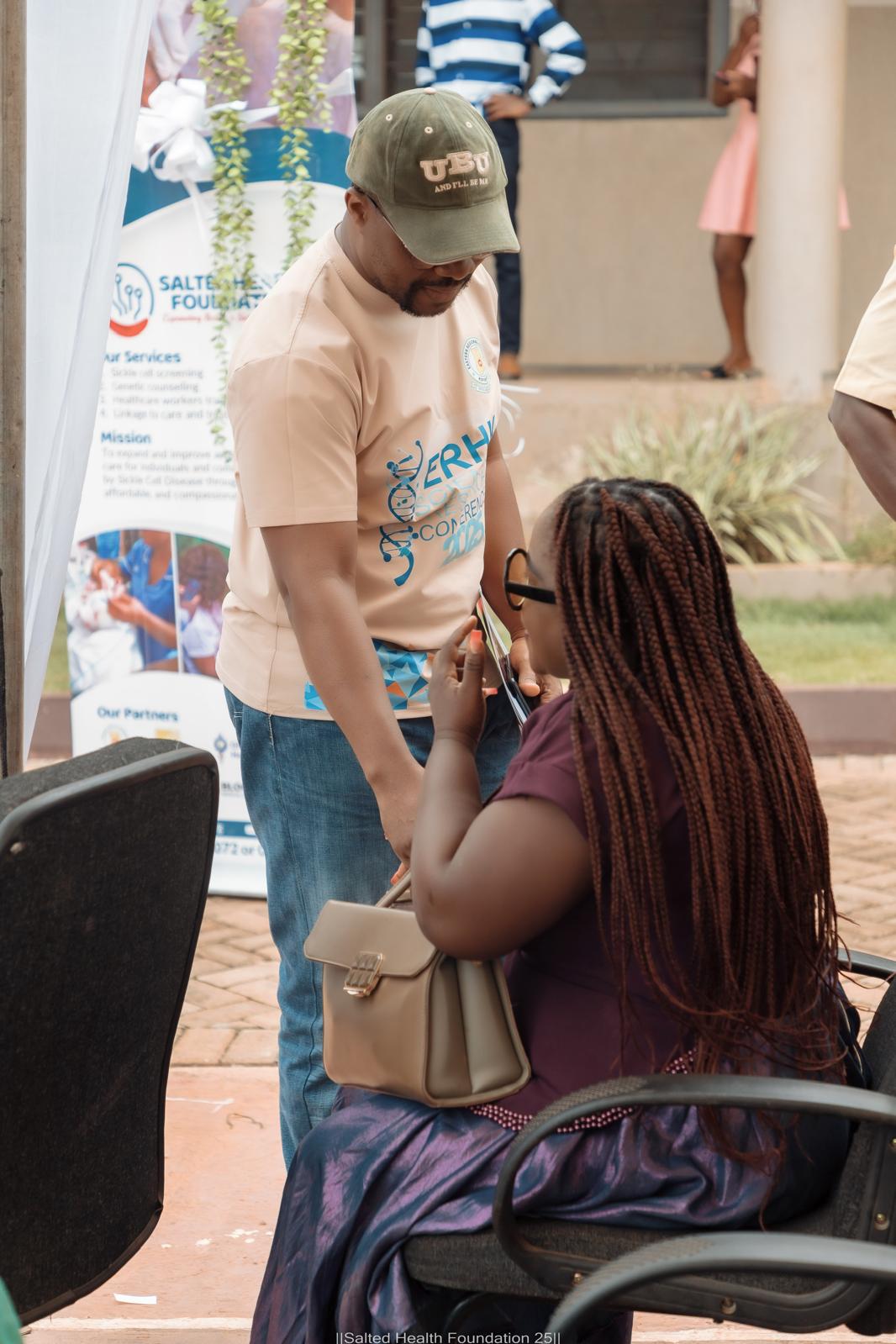
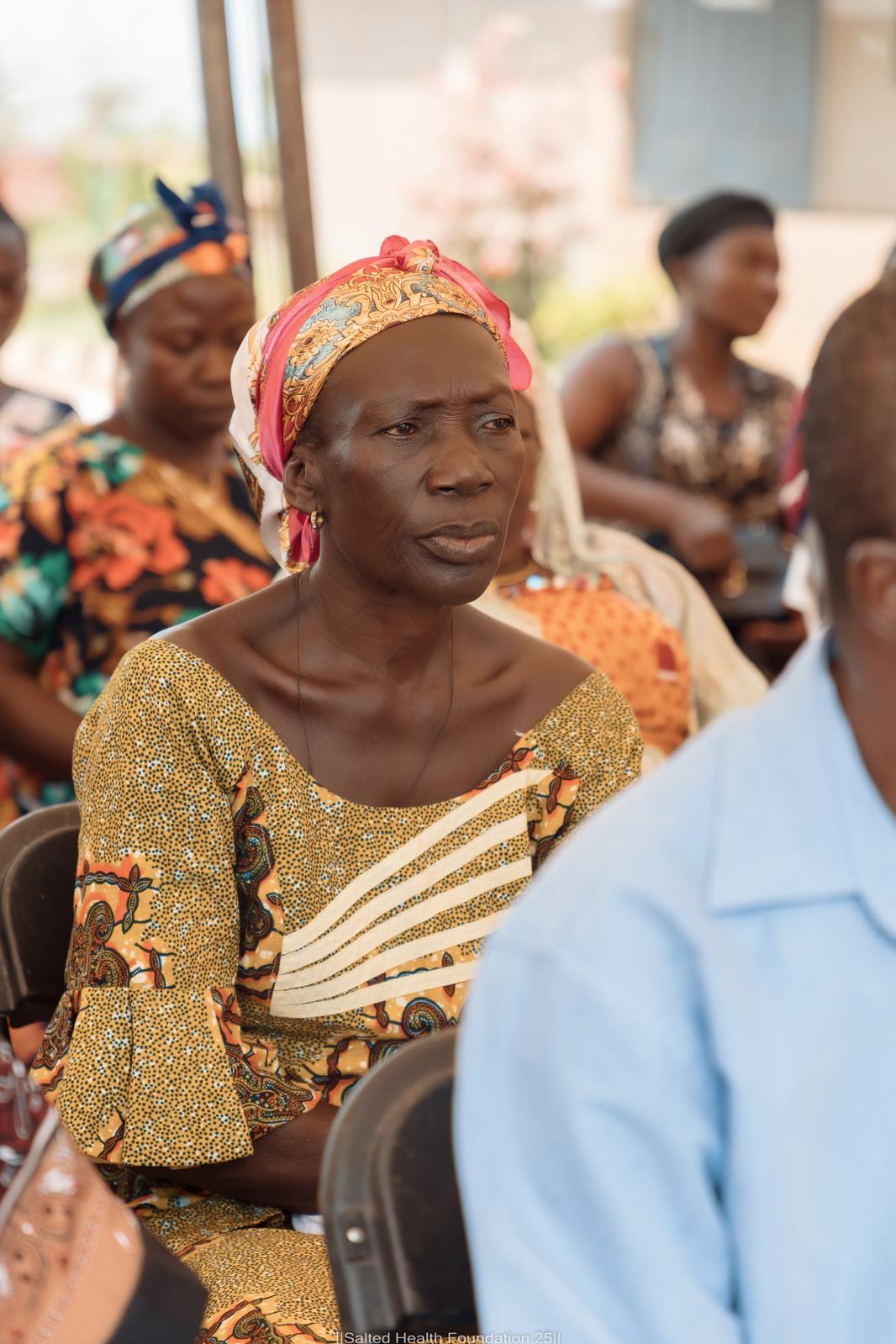
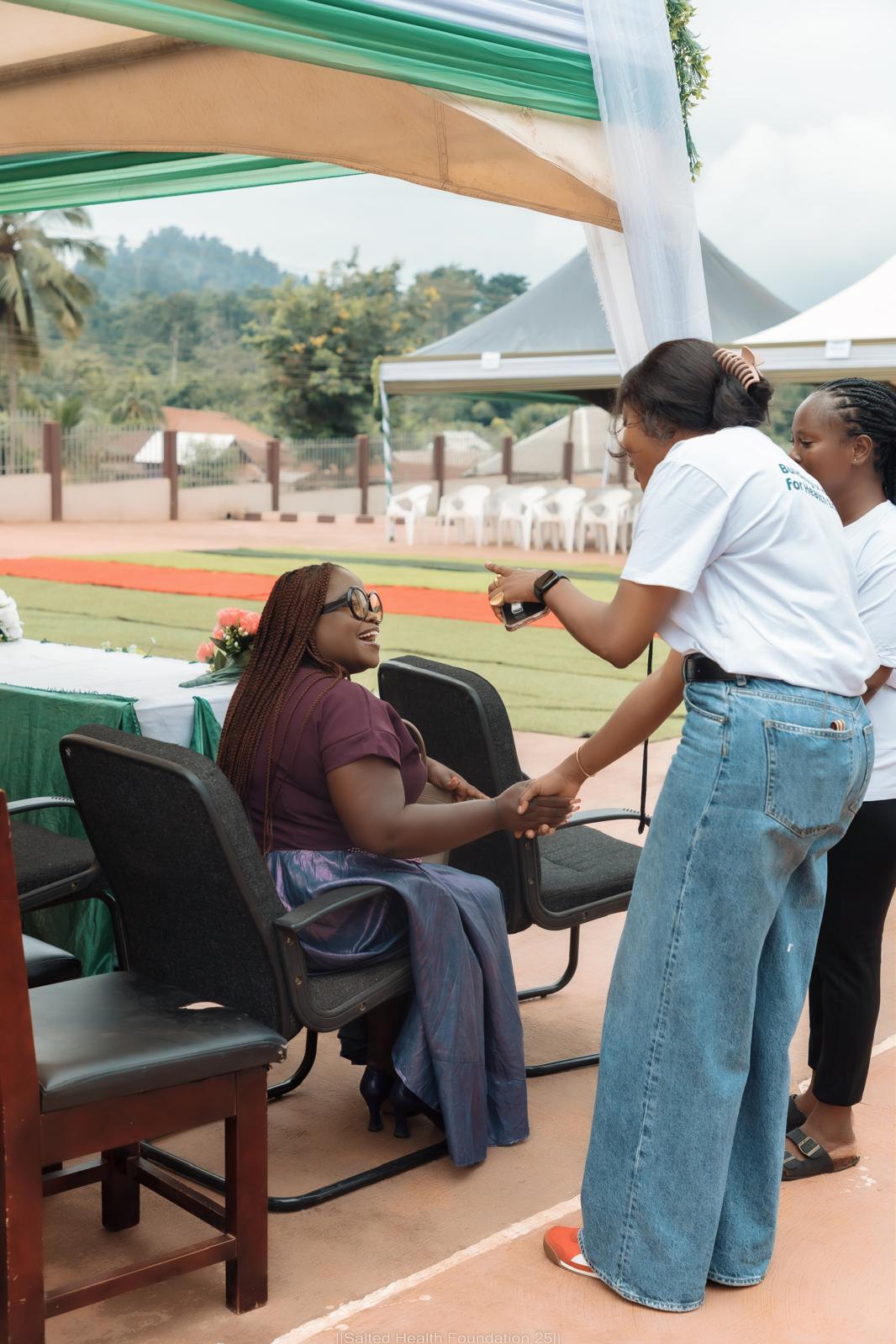
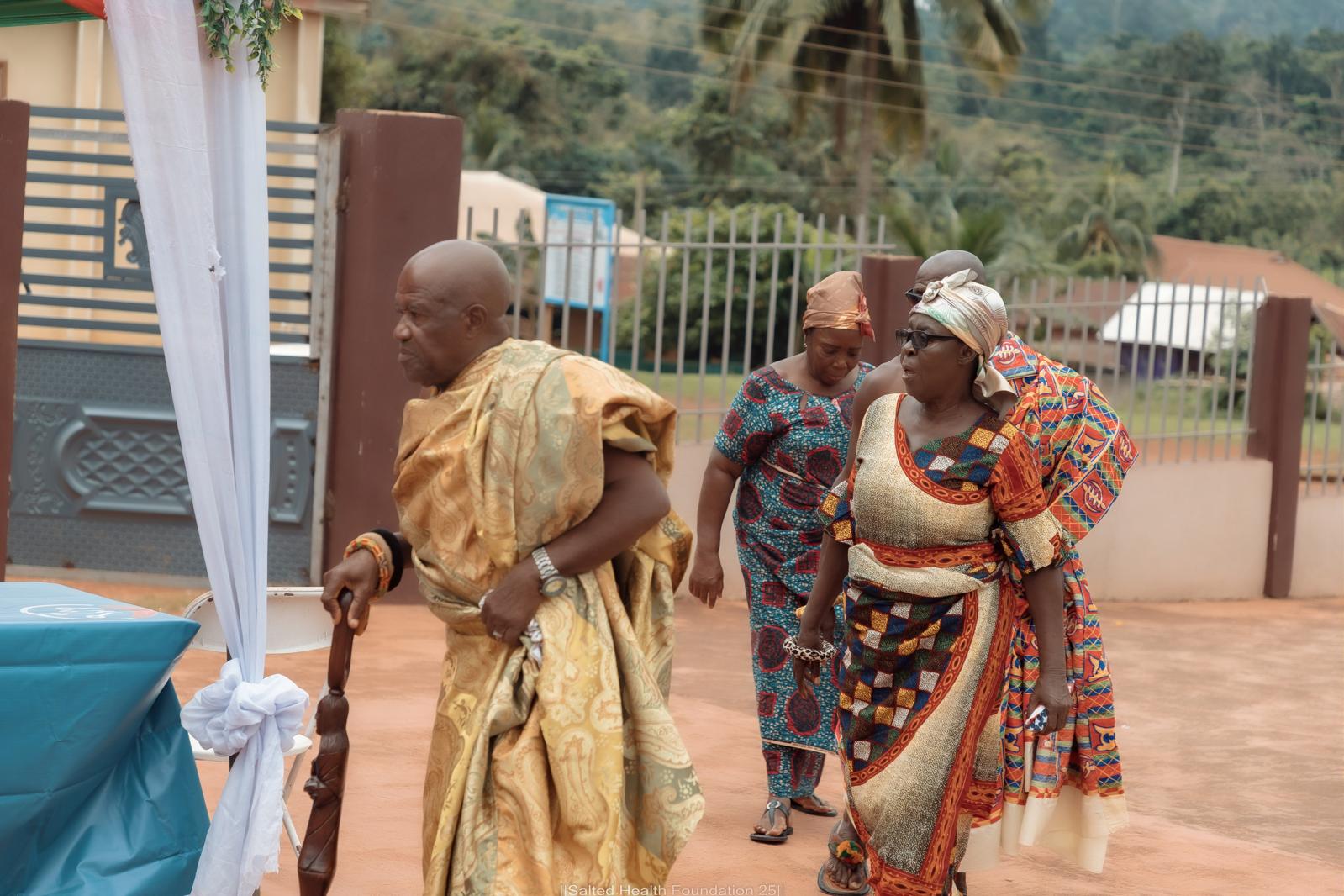
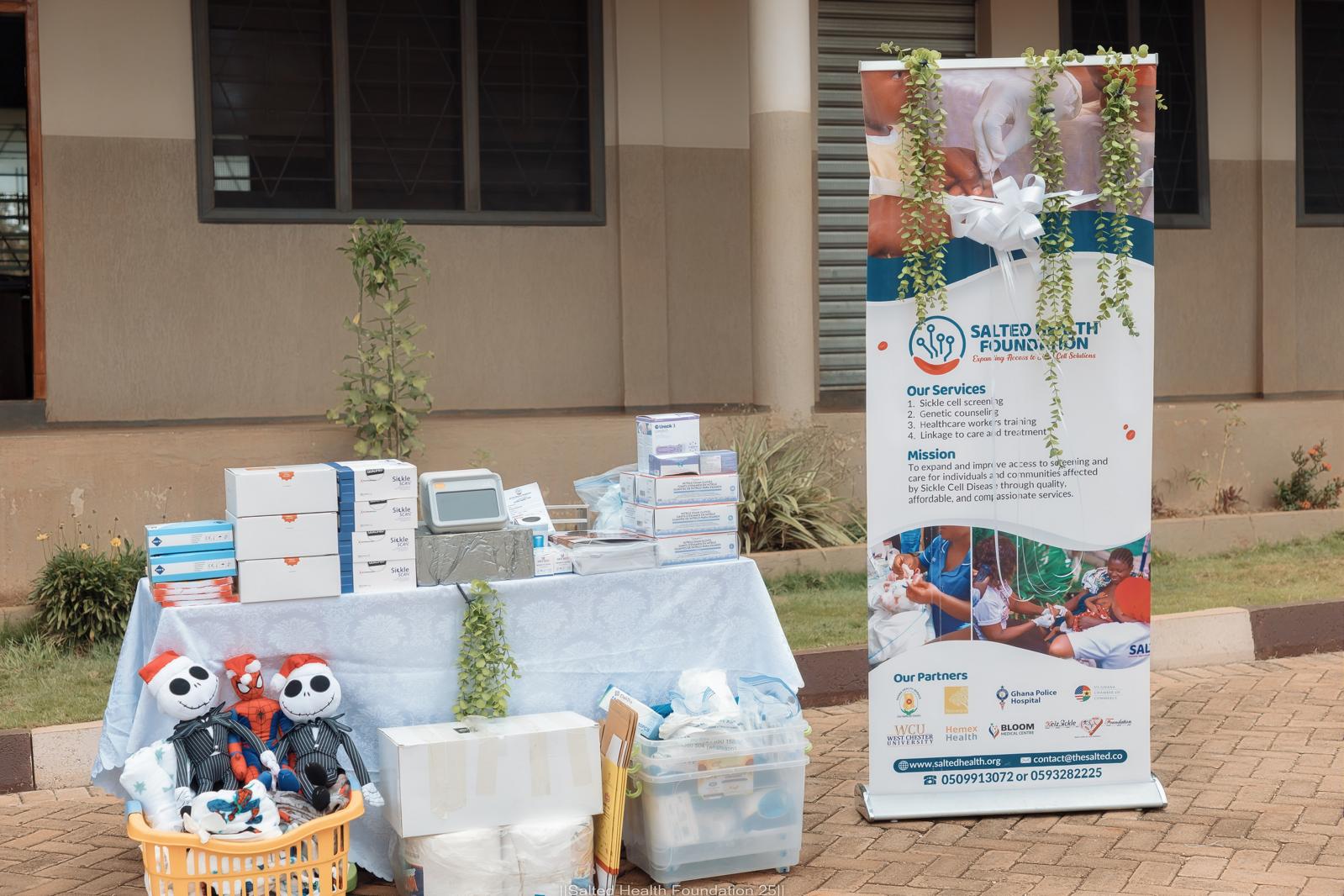
Together, we are building a model that connects the expertise of global health professionals, the commitment of the diaspora to give back, and the dedication of local nurses to transform lives across Ghana. The Phase 2 of the program seeks to enhance selected facilities, that is Clinic renovation, lab expansion, and diagnostic upgrades.